
Seeing Community Conservation Through New Eyes: Letea Communities Learn from Established Conservancies
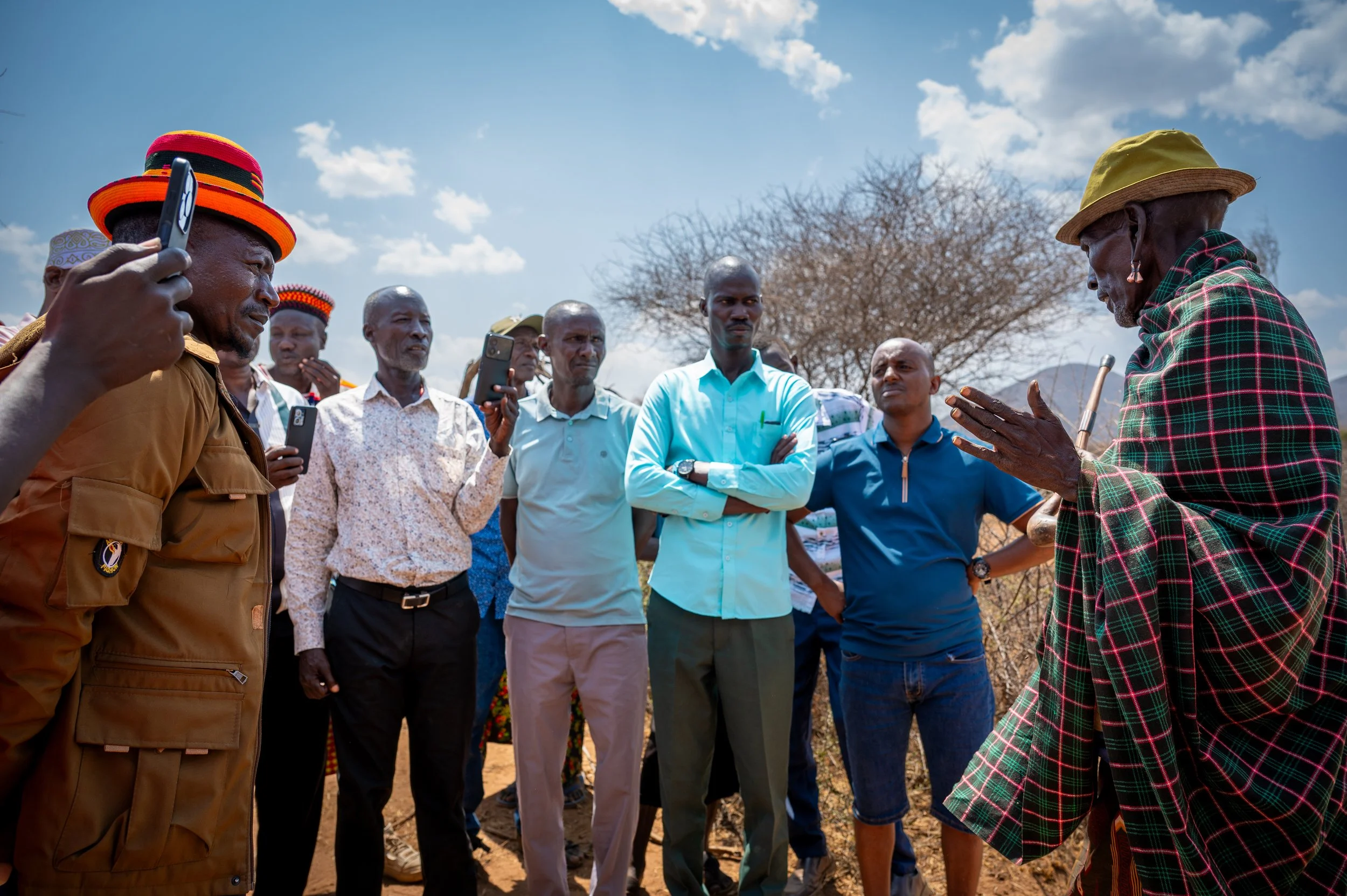
Sometimes, the best way to shape a new chapter is to learn from those who have walked the journey before.
Between the 17th and the 24th of August, 19 Board members of the newly established Letea Community Conservancy in Turkana County travelled to Samburu and Isiolo counties for an exposure and cross-learning visit, where they met with communities and conservancy leaders to learn how their counterparts have built strong institutions, protected their natural resources and created opportunities around conservation.
What stood out most was how the Letea community members did not simply observe—they listened, asked questions, sought clarity and compared experiences.
At West Gate, Kalama, Nakuprat-Gotu and Nasuulu Community Conservancies, community members and conservancy leaders shared experiences on governance, livelihoods and the role communities play in protecting wildlife, rangelands and other natural resources. The Letea Board members learned how strong leadership, inclusive participation and community initiative can help communities manage their institutions and landscapes.
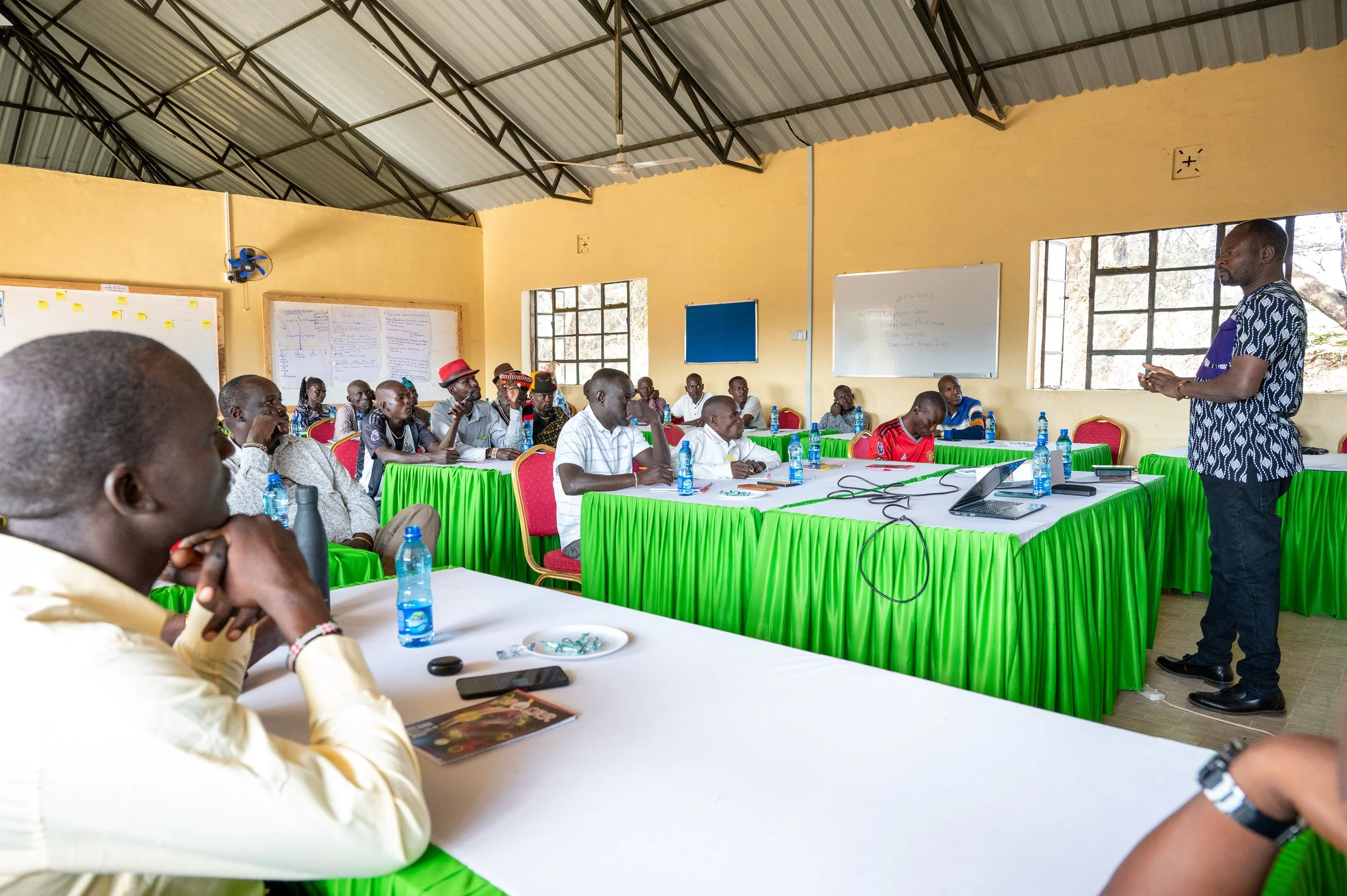
Letea Conservancy members during an indoor training session at Westgate Conservancy
During the learning exchange, the Letea community members also elected representatives to key governance positions and committees, including the Chairman, finance, grazing and tourism committees, further strengthening the structures that will support the conservancy's management.
The exchange also prompted reflections on what community-led conservation looks like in practice. For Loumo Munyes, Letea Conservancy’s inaugural Chairman, one observation stood out:
“We have visited some of the oldest and most established NRT member conservancies, and I have not seen a single fence line demarcating conservancy boundaries or keeping pastoralists out of grazing areas. Community conservancies are indeed community-owned and governed. No one is denying communities their right to access or manage their natural resources.”
The learning continued through practical visits to community-led rangeland restoration sites, where participants saw approaches including planned grazing, bunched herding and grass seed banks, as well as initiatives that create livelihood opportunities while supporting conservation.
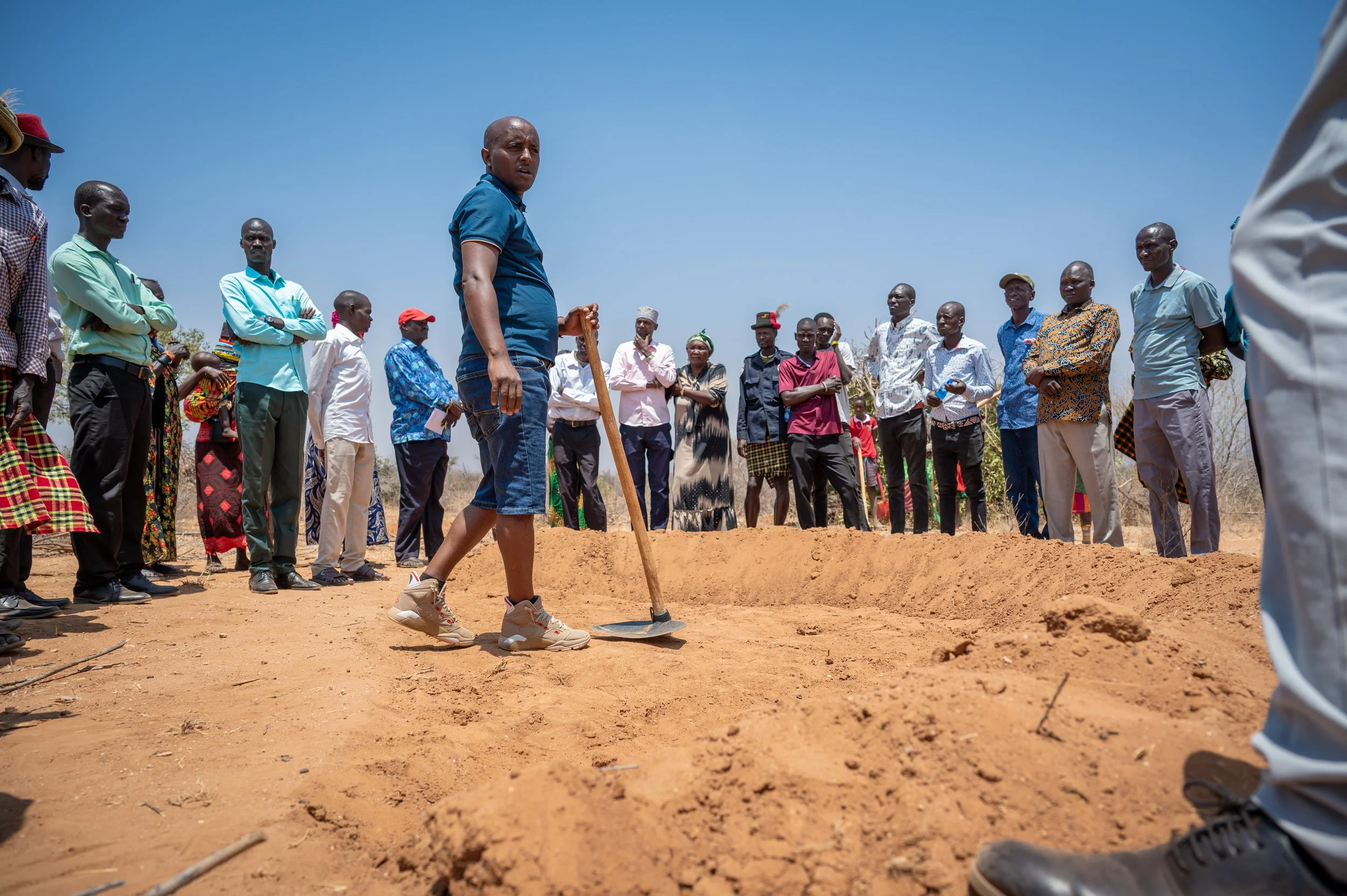
Moses Kinapu, Senior Rangeland and Governance Officer at NRT, takes the Letea Conservancy members through a practical session on rangeland rehabilitation methods
They also visited the Reteti Elephant Sanctuary, gaining insights into community-led wildlife conservation and the role of communities in protecting and caring for wildlife.
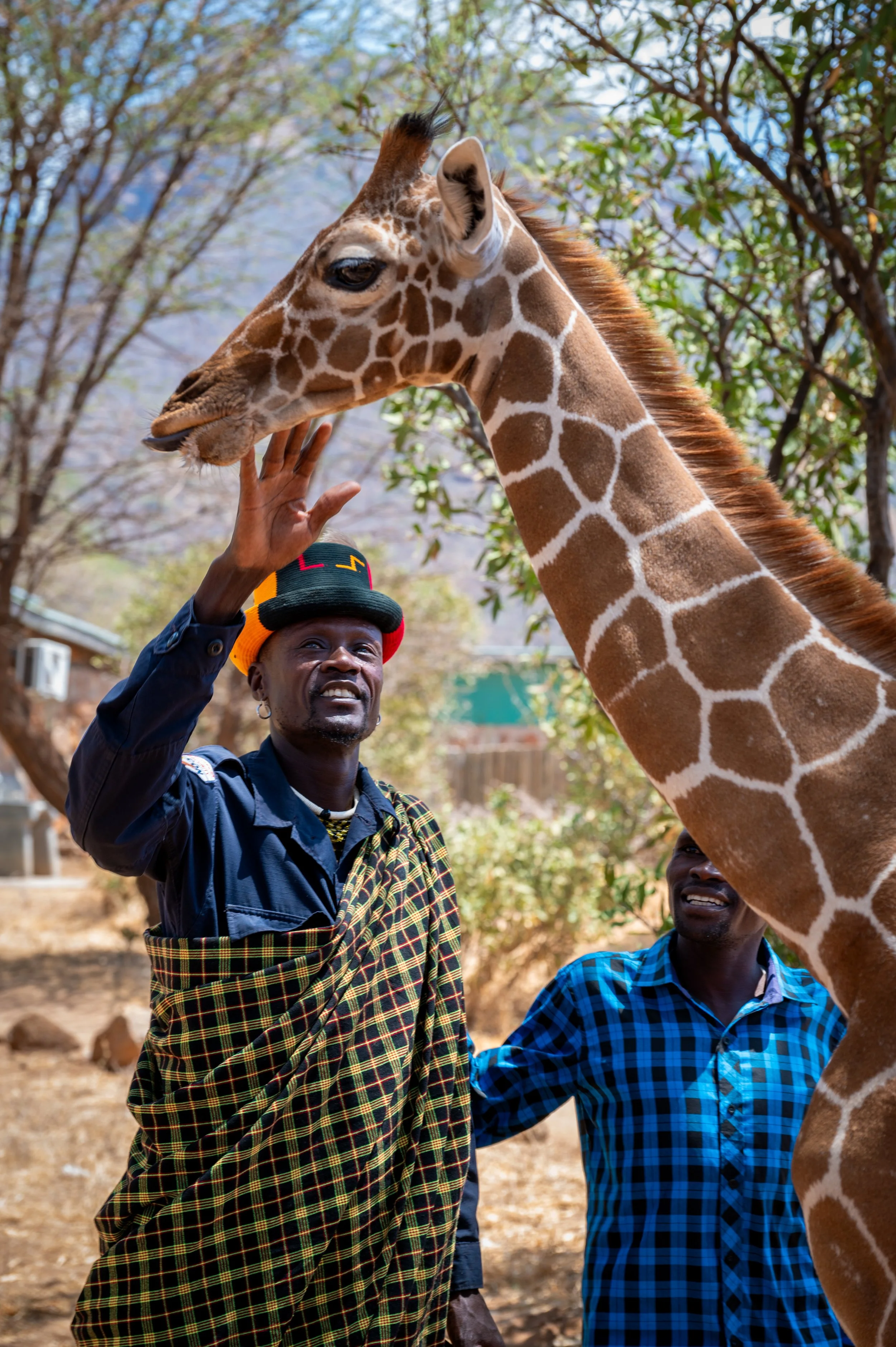
Letea Community Conservancy members interact with wildlife at the Reteti Elephant Sanctuary in Samburu County.
The visit also brought together representatives from the Turkana County Government, the Member of County Assembly for Letea Ward and local administrative leaders from the Western Turkana borderland, reflecting a shared interest in supporting the new conservancy's governance and development journey.
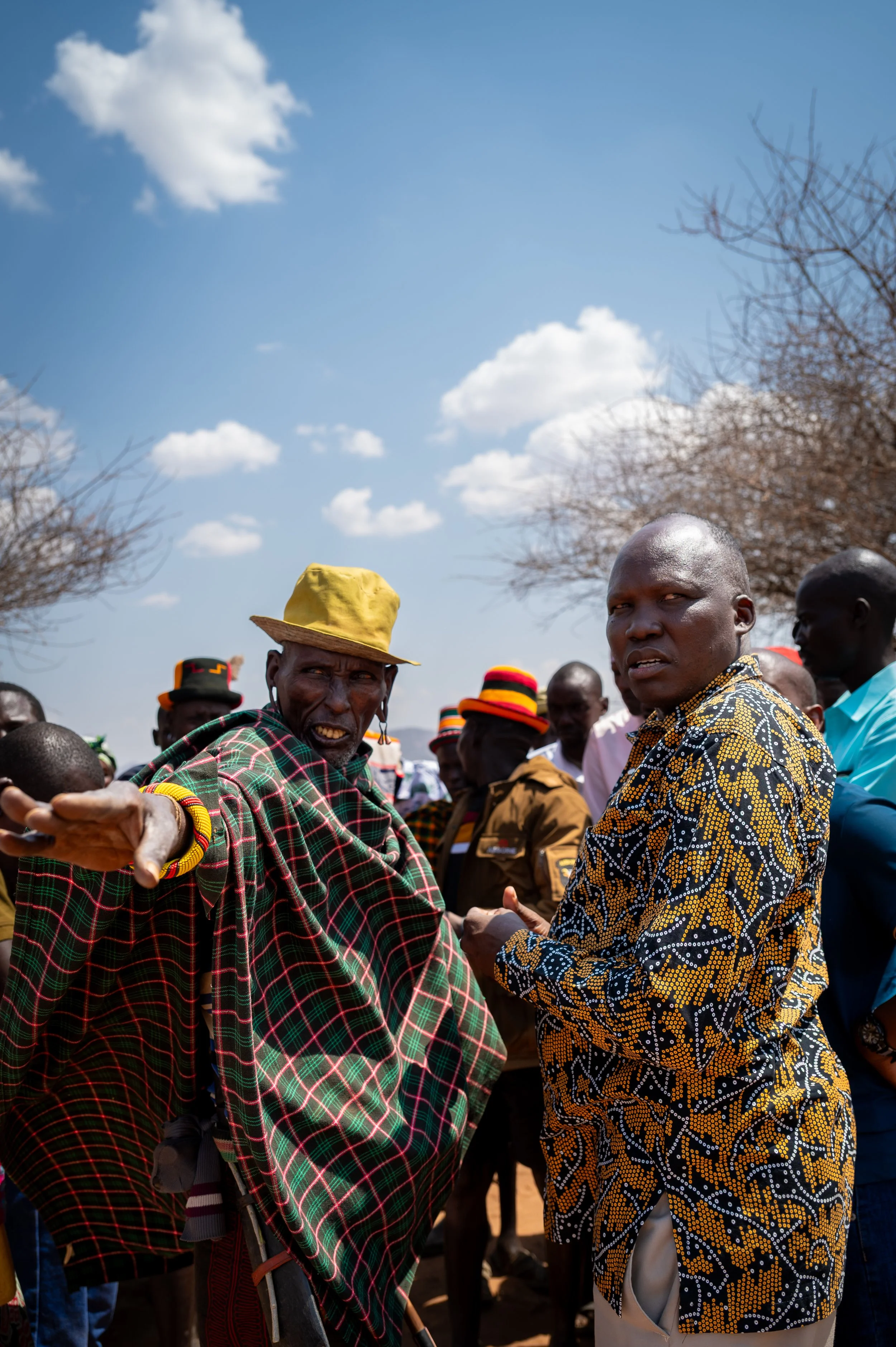
Letea Ward Member of County Assembly, Francis Ng’imusia [right] interacts with a Westgate Community Conservancy member and elder during the exposure visit.
The eight-day exchange concluded with visits to MashinaniWORKS and NRT headquarters, where the Board members interacted with teams supporting community-led livelihoods, conservation and governance across Kenya and Uganda.
This learning and exposure visit was supported by the European Union-funded “Supporting New and Existing Community Conservancies, Adjacent Parks and Forests in the Kidepo-Turkana Landscape of Uganda and Kenya” Project, as part of wider efforts to strengthen community stewardship, conserve shared ecosystems, and improve livelihoods across the Western Turkana borderland.