
From Regional Commitments to Community Action: NRT Takes Kenya’s Community-Led Ocean Conservation to COP12 in Tanzania
As the Western Indian Ocean marks 40 years of regional cooperation, Northern Rangelands Trust is highlighting how community-led conservation is protecting marine ecosystems, strengthening coastal livelihoods and building a more sustainable blue economy along Kenya’s coast.
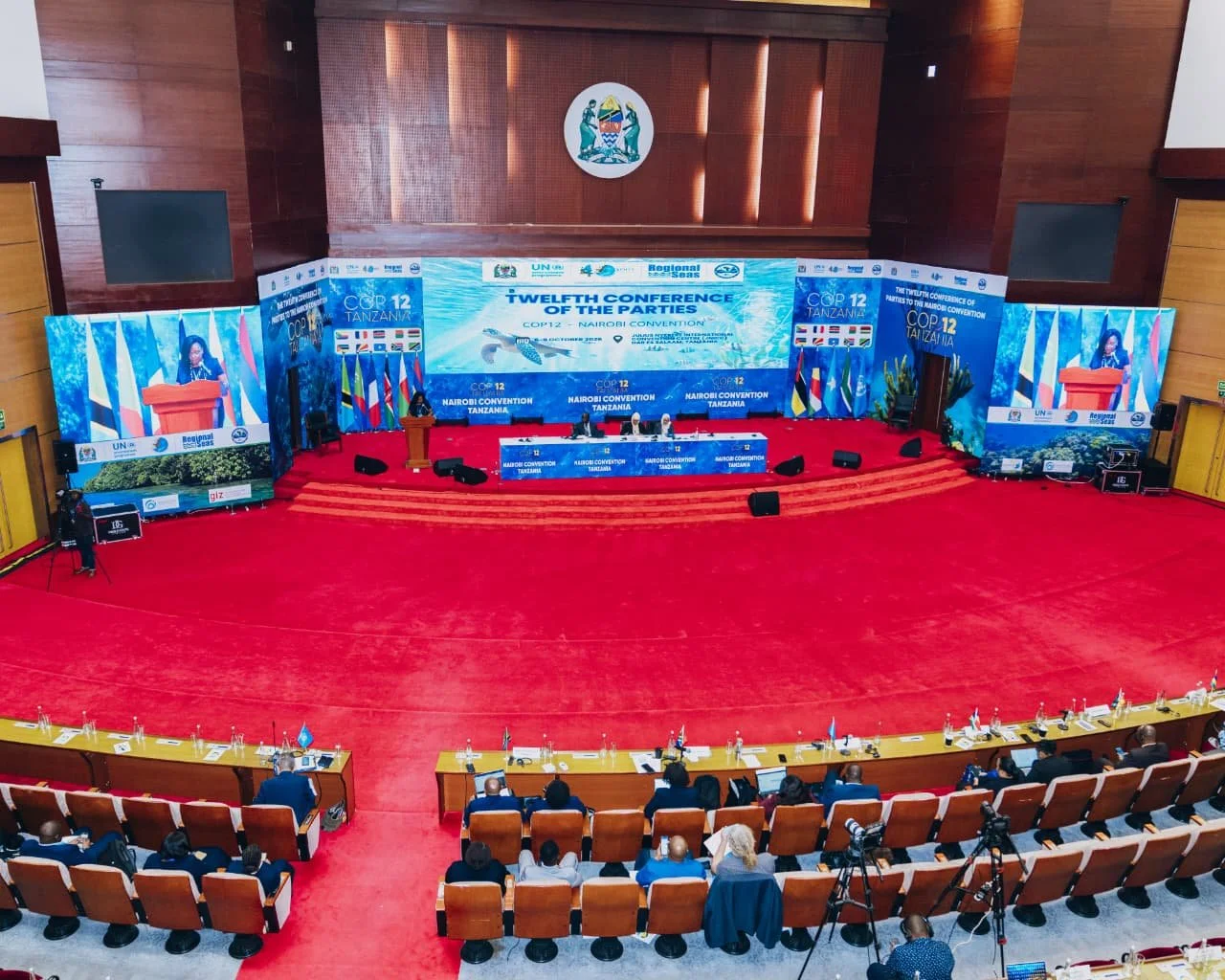
DAR ES SALAAM, Tanzania | 9 October 2026 The future of the Western Indian Ocean will depend not only on the commitments made in international conference halls, but also on the actions taken every day by the coastal communities whose lives and livelihoods depend on a healthy ocean.
This message is at the heart of the 12th Conference of the Parties (COP12) to the Nairobi Convention, held in Dar es Salaam, Tanzania, from 6–9 October 2026, under the theme “Towards Sustainable Blue Economy in the Western Indian Ocean Region for People and Nature: A Journey of Forty Years.”
Northern Rangelands Trust (NRT) participated in COP12, joining regional and international stakeholders to engage on the future of marine and coastal conservation, sustainable fisheries, climate resilience and inclusive blue-economy development. The conference marks four decades of cooperation among countries bordering the Western Indian Ocean to protect and sustainably manage shared marine and coastal resources.
The gathering comes at a critical time. Climate change, marine pollution, unsustainable fishing and the degradation of coastal habitats threaten both biodiversity and the economic security of communities that depend on the sea. These challenges cross national boundaries, making regional cooperation essential. But translating regional commitments into lasting outcomes also requires strong local institutions, community participation and investment in solutions that work on the ground.
For NRT, that work is already underway along the Lamu and Tana seascape in Kenya, where community conservancies and local resource-management institutions are demonstrating how conservation can support both healthy ecosystems and resilient livelihoods.
Tanzania’s COP12 agenda has emphasised stronger regional cooperation, climate-resilient marine ecosystems and a blue economy that balances environmental protection with equitable economic opportunity.
In his opening address on behalf of President Samia Suluhu Hassan, Tanzania’s Vice-President, Deogratius Ndejembi, underscored the importance of ensuring that blue-economy growth protects ecosystems, creates decent jobs and shares benefits fairly.
The message reflects a central principle of NRT’s Marine Programme: conservation is more sustainable when the communities who protect natural resources have a meaningful role in decision-making and share in the benefits.
For NRT, participation in COP12 provides an opportunity to bring the experience of Kenya’s coastal communities into a wider regional conversation, exchange knowledge with partners and reinforce the importance of community institutions in delivering conservation outcomes.
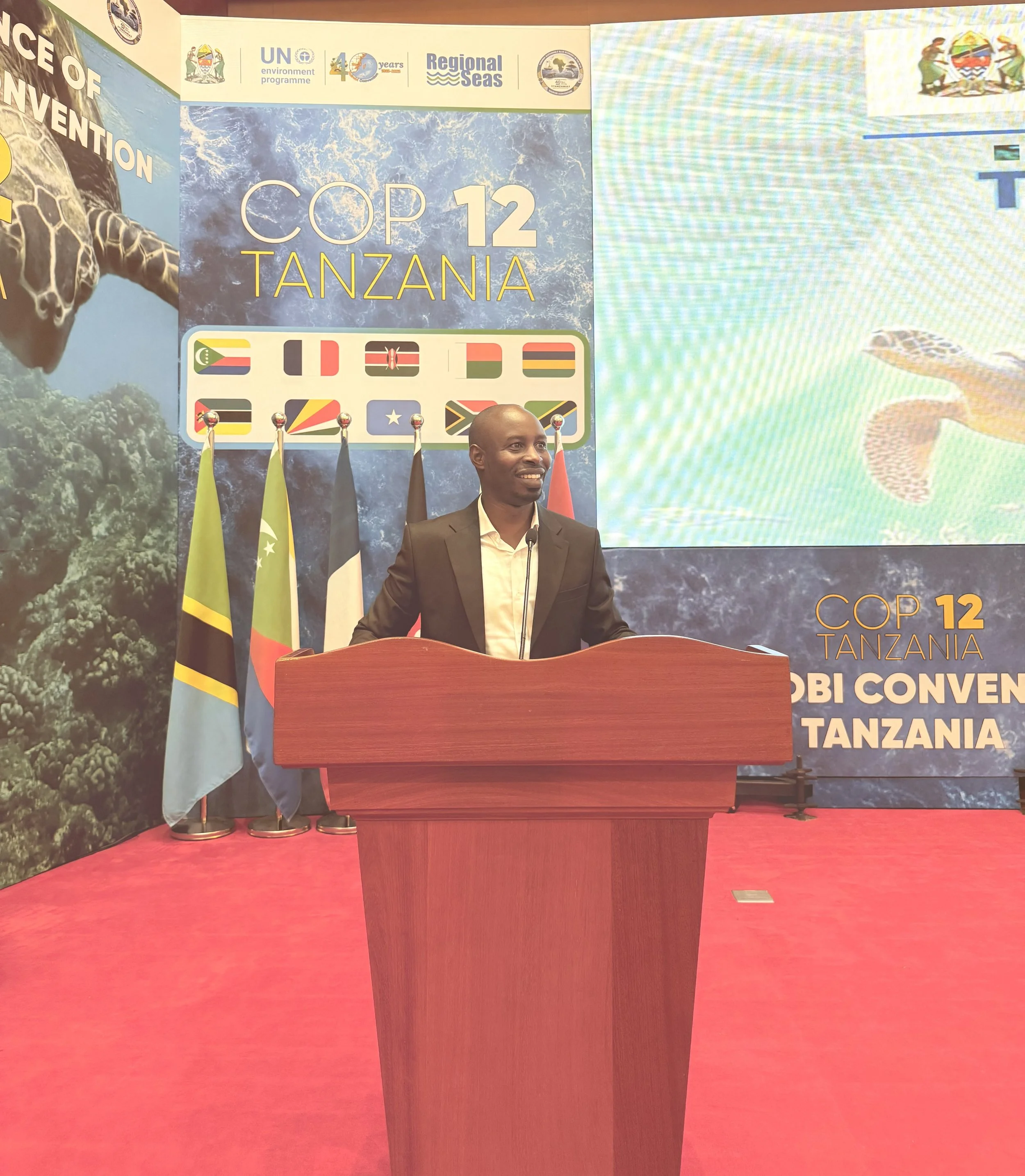
Leading the NRT delegation in Tanzania, Moses Wakhisi, NRT Director of Communications, said: “COP12 provides an important platform to connect regional commitments with the practical work taking place in coastal communities. The health of the Western Indian Ocean is inseparable from the wellbeing of the people who depend on it. Our experience at NRT demonstrates that when communities have the institutions, knowledge and opportunities to manage their natural resources, conservation can contribute to healthier ecosystems, stronger livelihoods and a more resilient blue economy.”
NRT’s Marine Programme works across four community conservancies in Lamu and Tana River counties: Kiunga Community Wildlife Association, Pate Marine Community Conservancy, Awer Community Conservancy and Lower Tana Delta Community Conservancy.
Working alongside community conservancies, fisheries Beach Management Units (BMUs), Community Forest Associations (CFAs), county governments and technical partners, the programme combines marine conservation with sustainable fisheries, habitat restoration, governance and livelihood development.
The results provide a practical picture of community-led conservation in action:
32,045 hectares of marine areas under conservation or improved management.
Approximately 35,000 hectares of mangroves under improved co-management across the Lamu–Tana seascape.
850 hectares of degraded mangrove areas restored, out of 1,486 hectares identified as degraded.
Nine locally managed marine areas established and enforced, including four no-take zones and five temporary octopus closures.
25 fisheries BMUs with approved community fisheries by-laws.
34,501 community members benefiting from the NRT Marine Programme.
These efforts are complemented by coral reef restoration, protection of sea turtles and other threatened marine species, plastic collection and recycling, and support for more sustainable fishing practices.
The programme also links conservation to economic opportunity. Between 2022 and 2025, sustainably caught seafood sold through supported market channels generated KES 31.6 million for fishers. Women and young people are also participating in conservation leadership, fisheries enterprises and livelihood initiatives.
Together, these interventions illustrate how community-led management can help sustain marine biodiversity while strengthening the economic resilience of coastal households.
For community-led conservation to succeed, local institutions must have the capacity to make decisions, manage resources, work with government and ensure that the benefits of conservation reach the people who sustain it.
NRT works with community conservancies and fisheries-management structures to strengthen governance, support locally agreed management measures and enable communities to take greater responsibility for their natural resources.
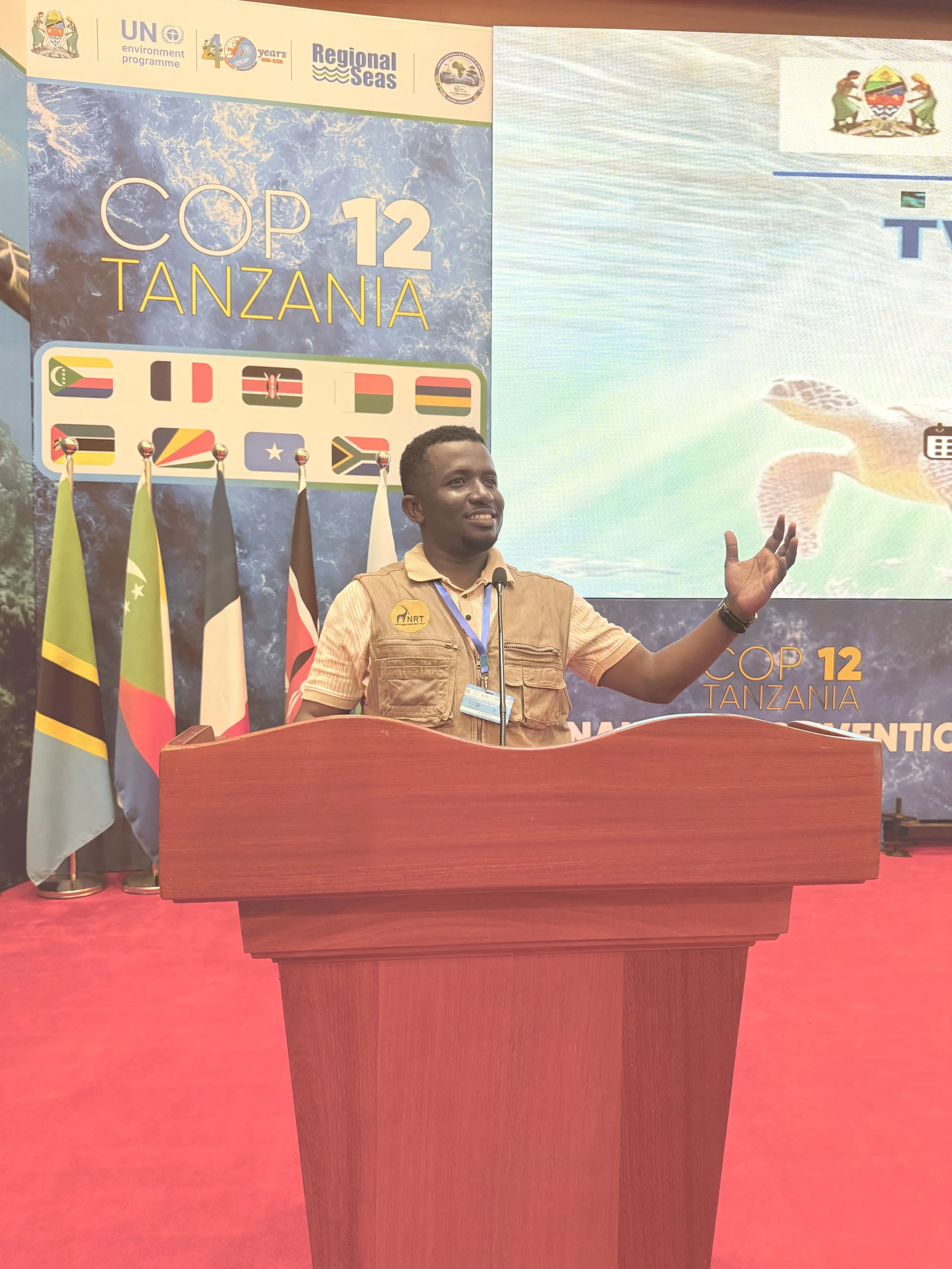
Mohamed Shali, NRT Deputy Regional Director for the Coast Region, said: “Sustainable marine conservation begins with empowered communities. Our work along the coast is about strengthening local institutions so that fishers, community leaders and resource users can take part in decisions, protect critical habitats and build livelihoods that can endure. Regional commitments become meaningful when they support the people managing these resources every day.”
The programme supports practical measures such as locally managed marine areas, temporary octopus-fishing closures, voluntary transitions away from destructive fishing gear, community monitoring and restoration of degraded reefs and mangroves.
These approaches recognise that marine ecosystems and coastal livelihoods are interconnected. Protecting fish breeding grounds, for example, can help sustain future catches, while responsible fisheries management can create incentives for communities to maintain healthy marine habitats.
The experience also reinforces the value of collaboration between community institutions, government agencies, conservation organisations, research institutions and development partners.
Along Kenya’s coast, mangroves are much more than trees growing between land and sea. They provide habitat for marine life, support fisheries, store carbon and help protect shorelines from erosion and the effects of storms.
Yet mangroves face pressure from unsustainable harvesting, changing environmental conditions and competing demands on coastal resources.
Through its Marine Programme, NRT supports community-led mangrove conservation and restoration across the Lamu–Tana seascape. The work includes community-based ecological mangrove restoration, local stewardship, awareness and support for alternative livelihood opportunities that can reduce pressure on forest resources.
The programme has established 27 community-based ecological mangrove restoration demonstration sites and 105 community mangrove restoration champions.
At the centre of this work are the people who understand these ecosystems through daily experience and who are helping safeguard them for future generations.
Zulfa Hassan commonly known as Mama Mikoko said: “I have depended on mangroves for years and have witnessed their degradation. Conservation is something I have always valued, and today I want to make a positive difference in my community. As a Mangrove, LAMP and Gender Training of Trainers (ToT) champion, together with my fellow women, we have been deliberate in ensuring that conservation becomes a reality. That is why I was privileged to be part of the delegation to COP12 in Tanzania, where I had the honour of showcasing our work and, importantly, participating in discussions on the meaningful impact women can have in conservation.”
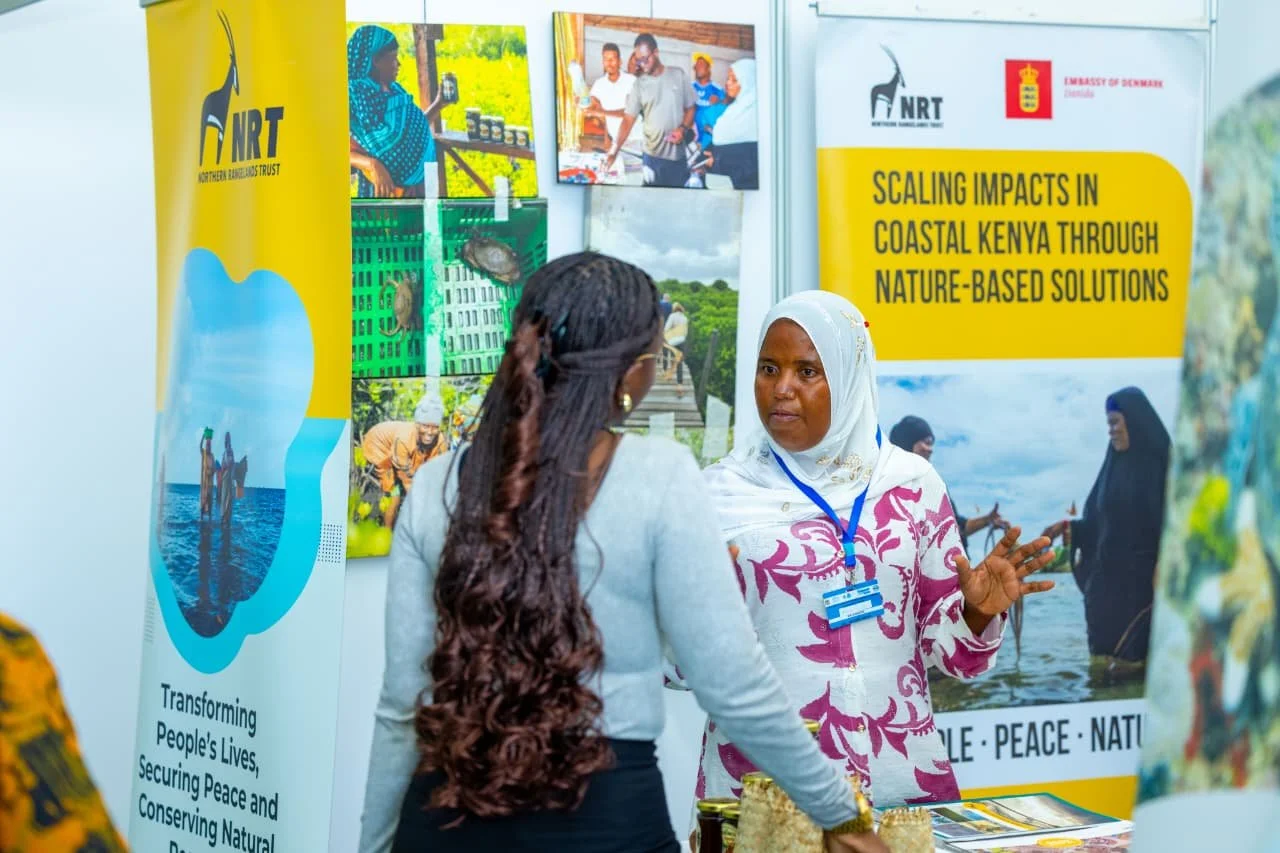
For NRT, community participation is not an addition to conservation; it is central to making conservation work over the long term.
Seagrass meadows are among the Western Indian Ocean’s important coastal habitats. They provide feeding grounds for marine species, support fisheries, contribute to carbon storage and help maintain the ecological health of coastal waters.
Although less visible than mangrove forests, seagrass ecosystems are an important part of the connected marine landscape on which coastal communities depend.
Protecting them requires awareness, responsible use of marine resources and stronger recognition of the relationship between underwater habitats, fisheries and community wellbeing.
NRT’s wider approach to marine conservation integrates fisheries co-management, habitat monitoring, community enforcement and the protection of marine biodiversity. These efforts contribute to a landscape-based understanding of conservation, in which mangroves, seagrass meadows, coral reefs and fisheries are not treated as isolated systems.
Mama Nyasi Bahari, Amina bakari, a community voice for seagrass conservation, said:“Seagrass is an important part of our ocean, even though much of it grows beneath the water where people may not always see it. Our livelihoods depend on a healthy marine environment, and protecting seagrass helps safeguard the resources that sustain our fishing communities. As women, we have an important role to play in creating awareness, encouraging responsible use of marine resources and ensuring that future generations inherit a healthy ocean. Participating in COP12 was an opportunity to share our experiences and learn from others working to protect the Western Indian Ocean. We want our voices and our work to be part of the decisions that shape the future of our ocean.”
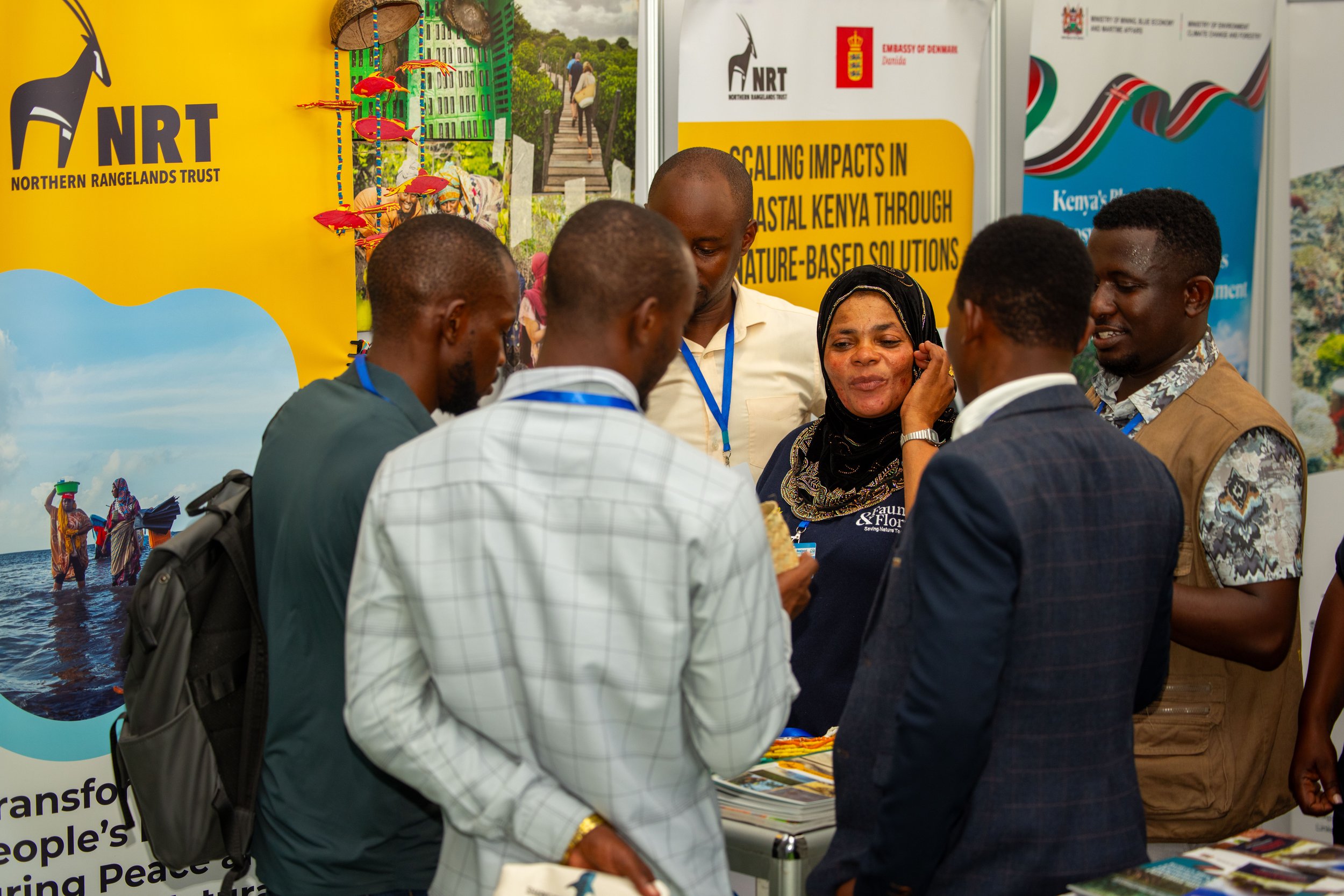
A sustainable blue economy must deliver more than economic activity. It must protect the natural systems on which that activity depends while creating opportunities for communities to benefit fairly.
This is why NRT’s Marine Programme combines conservation with practical support for fishing communities, including improved market access, sustainable fishing gear, cold-storage facilities, vocational training and community-based finance.
Through the Fish to Market initiative, participating fishers have accessed markets for sustainably caught seafood, achieving prices 35 per cent higher than previously reported comparison prices. From 2022 to 2025, 152.5 tonnes of sustainably caught seafood were sold, generating KES 31.6 million for fishers.
Women are also taking a more prominent role in marine resource management and enterprise development. NRT’s programme includes women-led octopus closures, support for women fishers and vocational opportunities for young people.
These initiatives demonstrate how protecting marine resources and strengthening livelihoods can reinforce one another. When conservation is connected to tangible benefits, communities have greater opportunities to sustain their participation and invest in the future of their natural resources.
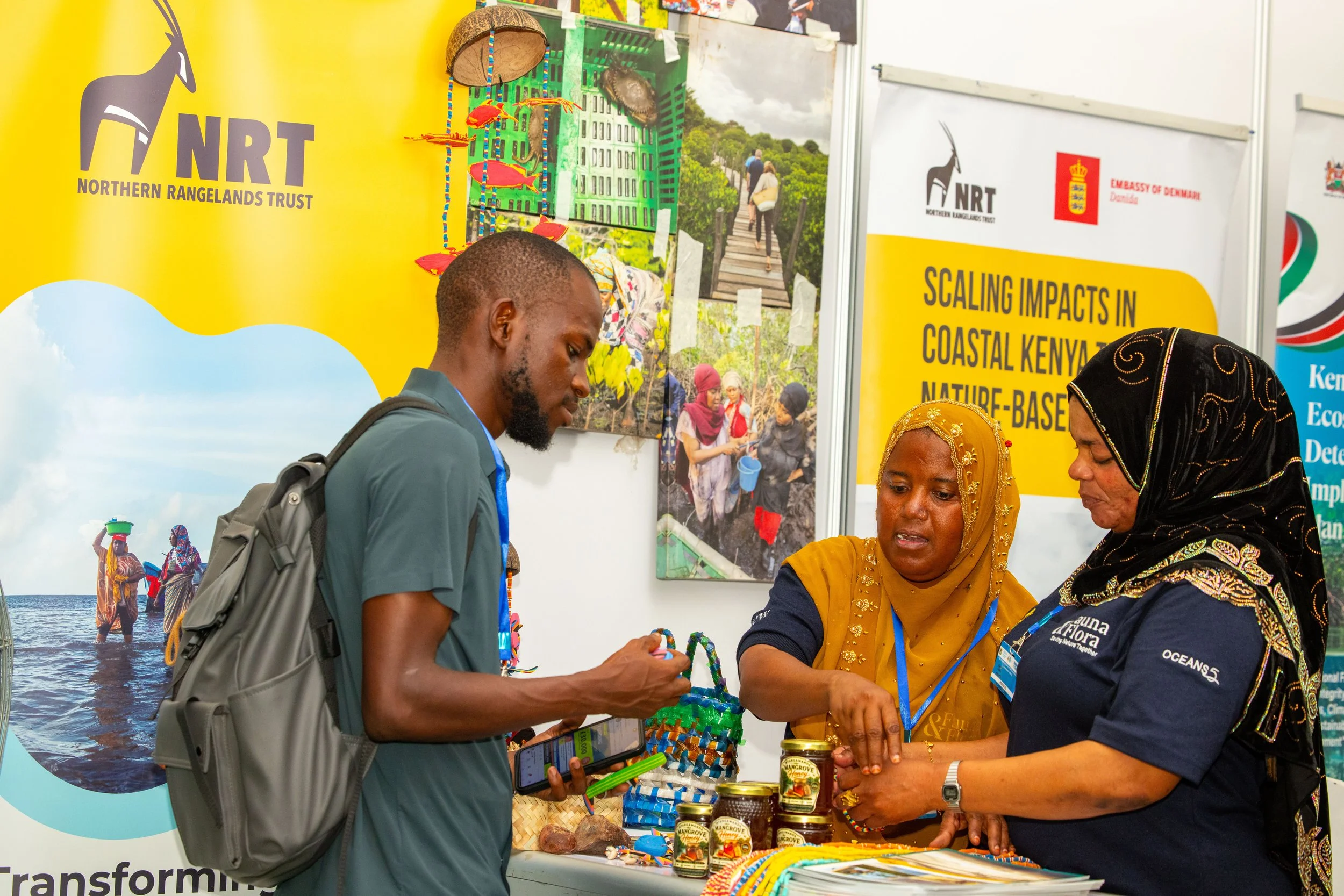
The approach also speaks directly to the wider COP12 agenda: sustainable fisheries, nature-based solutions, climate resilience and inclusive economic development must advance together.
As COP12 marks 40 years of the Nairobi Convention, the next chapter of regional ocean governance will depend on how commitments are translated into implementation, financing, partnerships and measurable outcomes.
For communities along the Kenyan coast, the priorities are tangible: healthy mangroves and seagrass meadows, productive fisheries, protected marine biodiversity, stronger community institutions and sustainable sources of income.
NRT’s participation in COP12 reflects the importance of ensuring that community-led approaches remain part of the regional response to shared ocean challenges. The experience from Lamu and Tana River shows that conservation can be locally rooted while contributing to wider regional ambitions.
The future of the Western Indian Ocean will be shaped not only by the decisions taken by governments and regional institutions, but also by the everyday actions of fishers, community leaders, women, young people and local conservation champions.
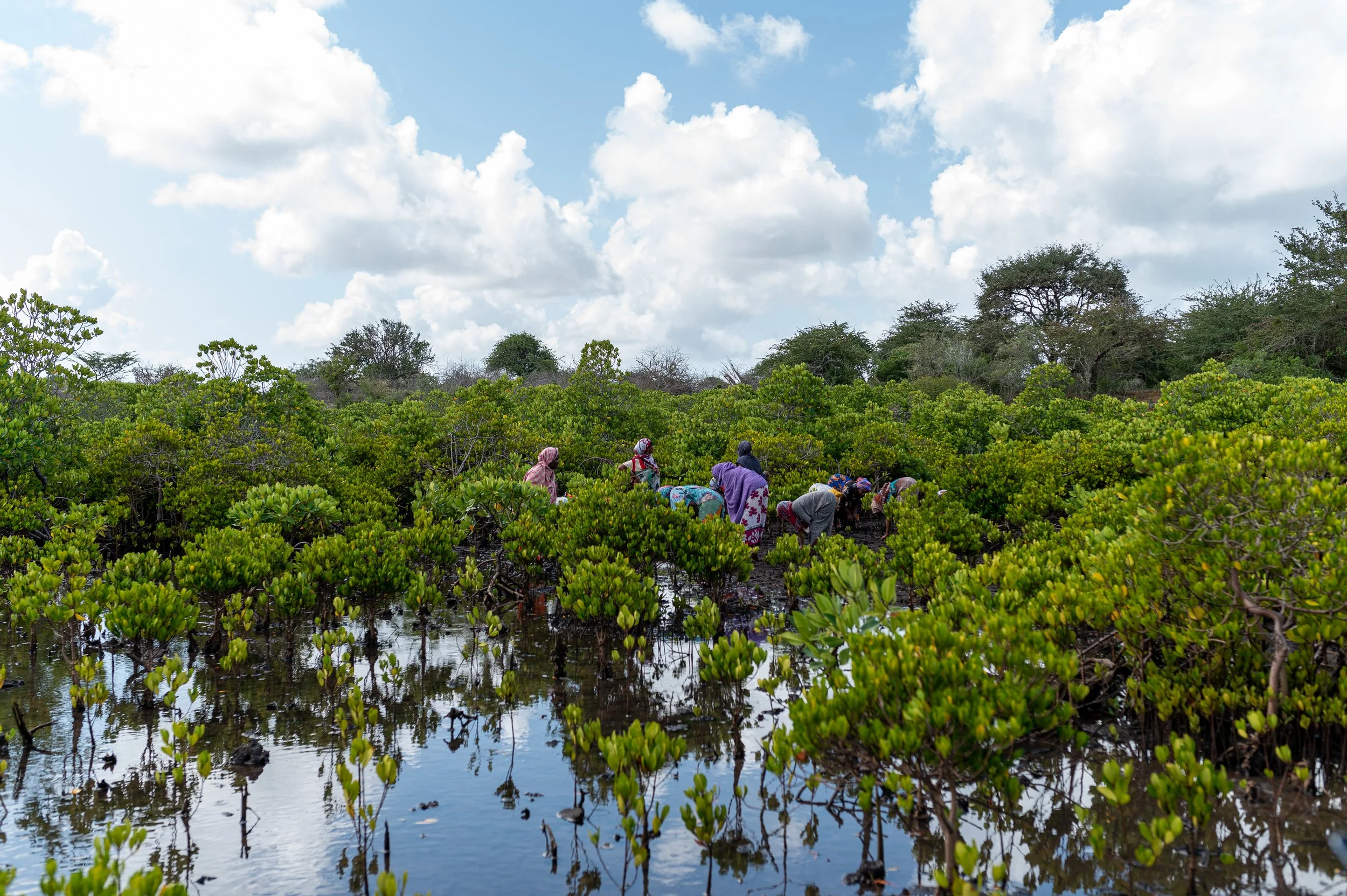
Their work is a reminder that a sustainable blue economy begins with a healthy ocean — and that a healthy ocean depends on communities being equipped, recognised and supported to protect it.
For NRT, the message is clear: healthy oceans, resilient communities and a sustainable blue economy must advance together.