
Breaking the Silence: How the Female Teacher Mentorship Programme is Helping Girls Stay in School
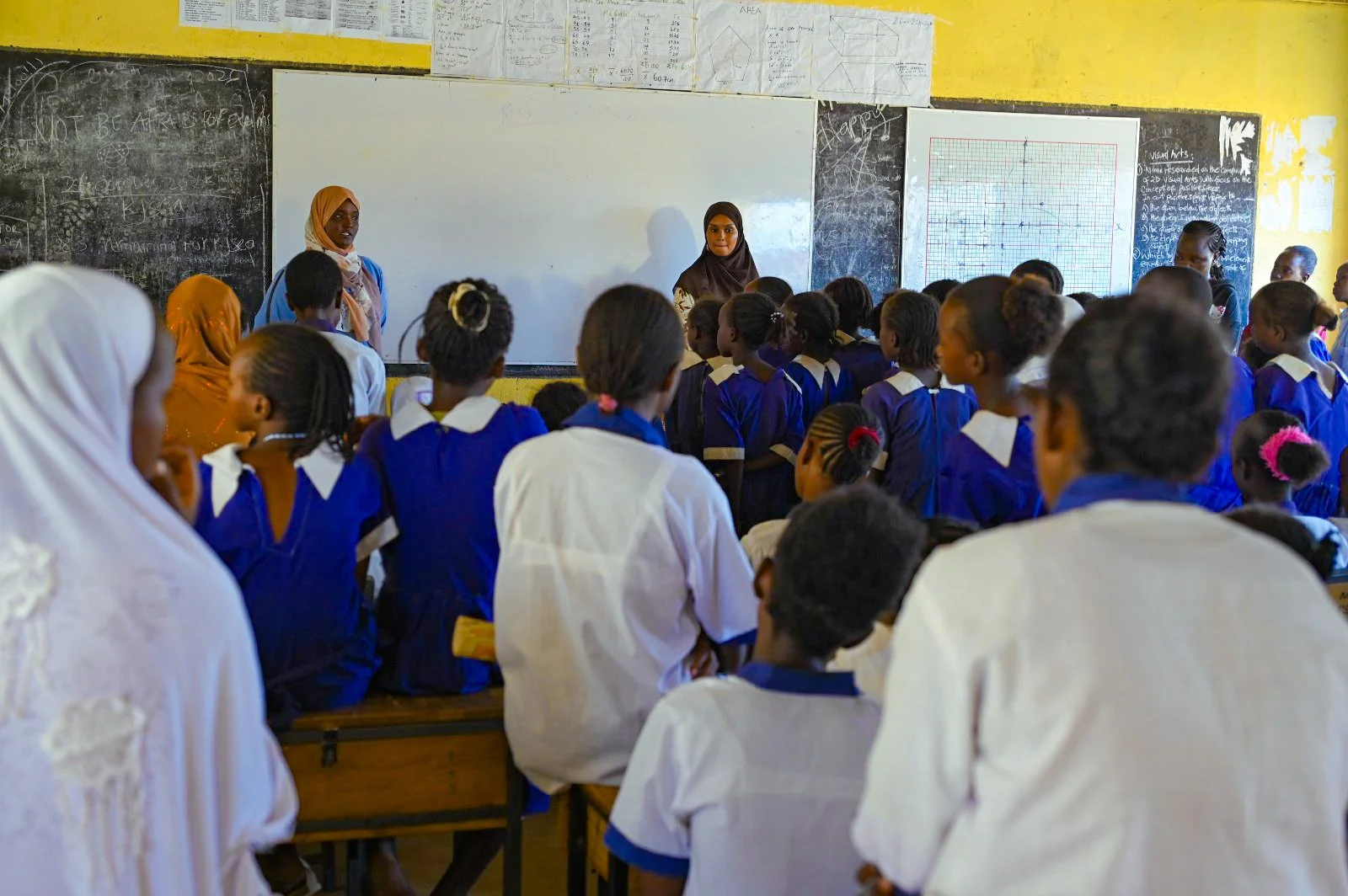
Many girls in northern Kenya face real challenges staying in school. Early marriages, Female Genital Mutilation (FGM) and teenage pregnancy have kept many girls out of the classroom long before they could complete their education.
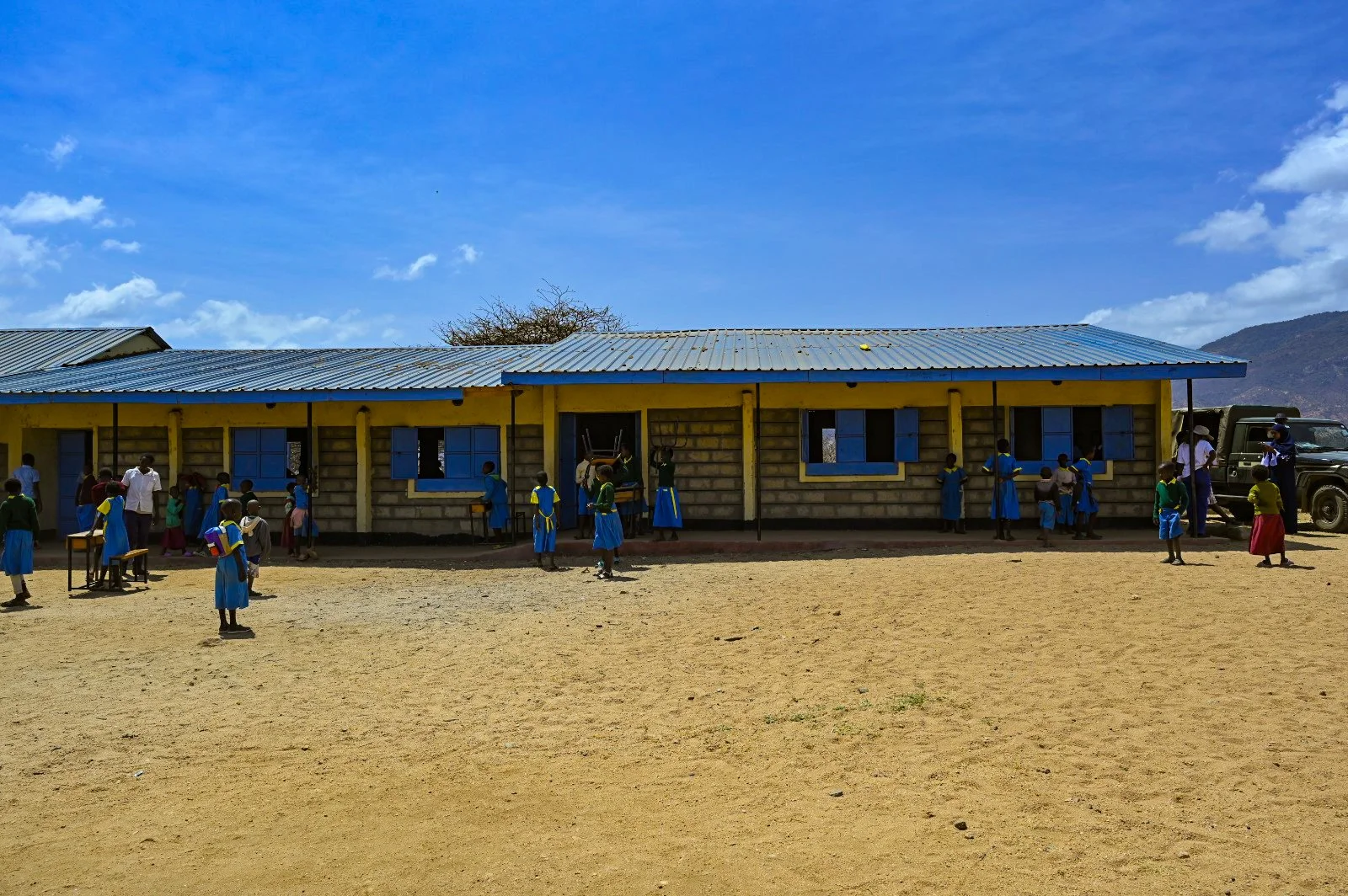
Ngilai Comprehensive School in Ngilai Community Conservancy, Samburu County, has seen these challenges firsthand.
“In 2024, there were no female teachers in this school,” recalls the headteacher, Daniel Lenaingwesi, “All of our teachers were male, and girls rarely opened up about what they were going through.”
Several girls dropped out after becoming pregnant. Others went through FGM during school holidays, when most of these cases are rampant and never returned. On market days, often common in a pastoral setup, many missed school to look after livestock. Without a trusted confidant, many girls silently endured these difficulties alone.
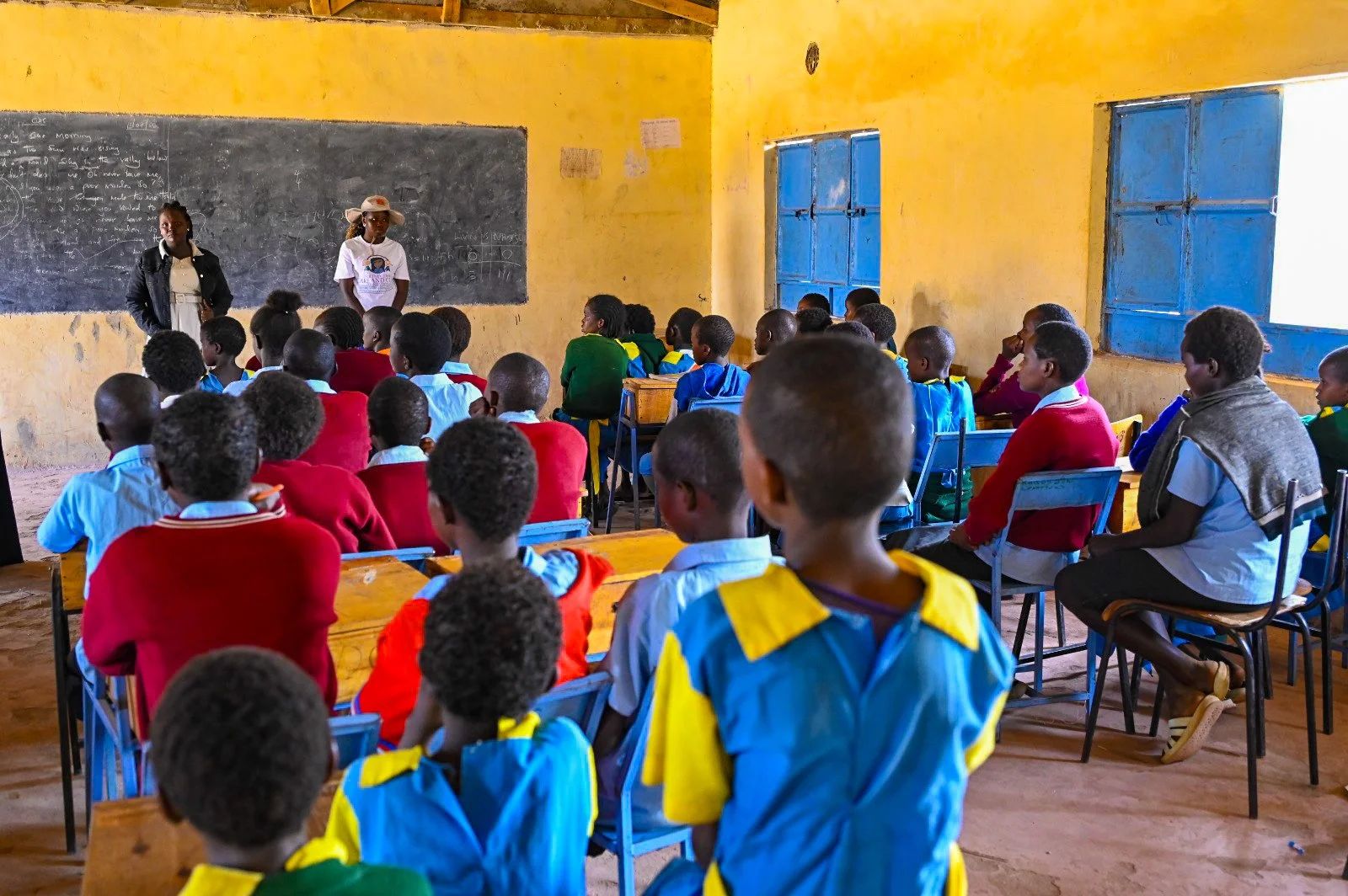
Similar stories echoed across other conservancy schools. Girls who became pregnant often left school and decisions regarding FGM and early marriage were typically made at home, leaving girls with little to no say over their future. Additionally, in many schools, inadequate access to sanitary towels meant some girls missed lessons every month.
This began to change when the Northern Rangelands Trust (NRT), with support from Conservation International (CI), placed 23 female intern teachers in conservancy schools through the Female Teacher Mentorship Programme.
The programme was launched in 2024 with a clear goal of increasing girls' enrolment, reducing dropout rates and supporting their progression through different levels of education. To achieve this, female intern teachers were strategically placed in 23 schools across NRT member conservancies in Samburu, Isiolo, Marsabit, Laikipia, Lamu, West Pokot, Baringo and Garissa counties, where girls faced the highest risk of dropping out, providing mentorship, guidance and positive role models within the learning environment. Although they teach in the classroom, their most significant impact occurs outside it, where they serve as trusted mentors.
At Ngilai Comprehensive School, which serves 545 learners, the programme supports 148 girls through regular mentorship sessions held four times a month.
Today, girls have access to trusted advisors and a safe space to discuss challenges affecting their education.
"Before, girls rarely opened up about the challenges they were facing, but I encouraged them to break their silence,” says Soila Letimaya, a female teacher mentoring girls in Ngilai Comprehensive School.
The programme’s impact is evident in girls who have returned to school after experiencing teenage pregnancy.
“After I got pregnant, my mentor kept checking on me. She even called my mum to encourage me to return to school. I realised that staying at home wasn’t helping me, so I decided to come back to school,” she says.
Now she has a new dream.
“I want to become a teacher so I can come back to my community and give young girls hope.”
According to the headteacher, since the program began, attendance has improved, academic performance is getting better, and retention of girls in school has increased.
At Nairibi Primary School, in Melako Community Conservancy, Marsabit County, the mentor draws strength from her own experience to support students.
Having undergone FGM herself, she now uses her story to encourage girls to choose education and believe they have a future beyond harmful cultural practices.
“After completing college, I started mentoring girls about FGM, early marriages, teenage pregnancy and menstrual hygiene,” Sabrina Lekeriya shares.
Her mentorship has enabled girls to return to school after pregnancy and has given others the confidence to stay in class and continue their education.
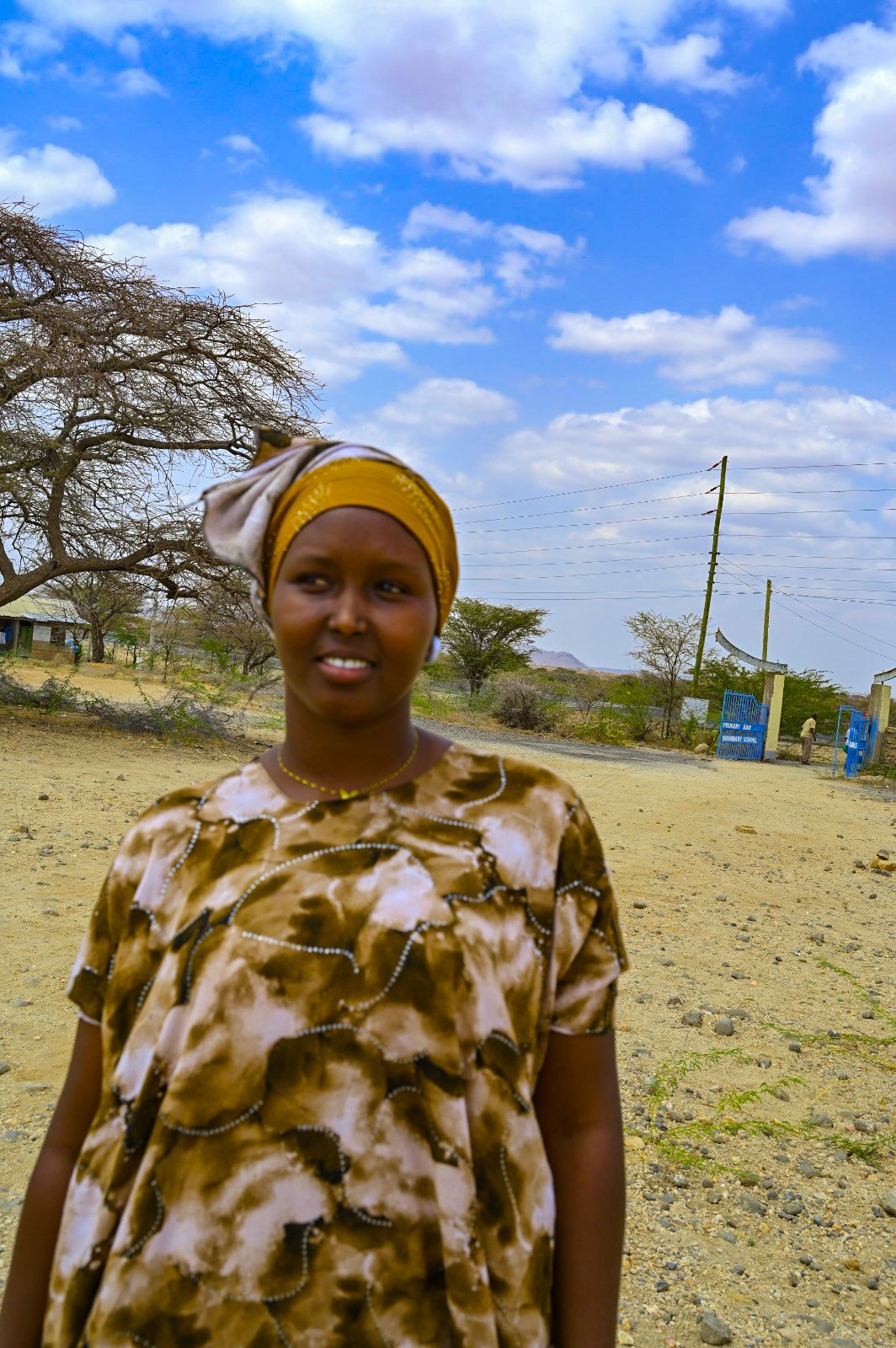
Sabrina Lekeriya, a mentor teacher at Nairibi Primary School, Melako Community Conservancy.
"One girl dropped out due to early pregnancy in 2024, but with the help of the former headteacher Jeniffer Lenguya, we managed to get her back. She is now in Grade Nine," she shares.
The programme’s impact extends beyond these two schools, with more girls now transition to higher education, Mentors continue to follow up on learners who drop out of school, encouraging their return whenever possible.
However, these challenges have not completely vanished.
Despite progress, many girls remain excluded from education due to interconnected social and economic barriers. Harmful traditional practices, persistent poverty and the mobility associated with pastoralist livelihoods continue to disrupt school attendance and reduce opportunities for sustained learning.
But today, many girls no longer face these challenges alone.
They now have mentors who notice their absences, visit their homes to follow up, encourages their return to school and reminds them that their aspirations are important.
Across conservancy schools in northern Kenya, the female teacher mentorship programme is empowering girls to find their voice, remain in school and believe in a future that once seemed out of reach.
These female interns are not just teachers but role models, confidants and cultural navigators. Their presence has boosted attendance, improved performance and most importantly, rekindled hope among girls who once believed education wasn't meant for them.
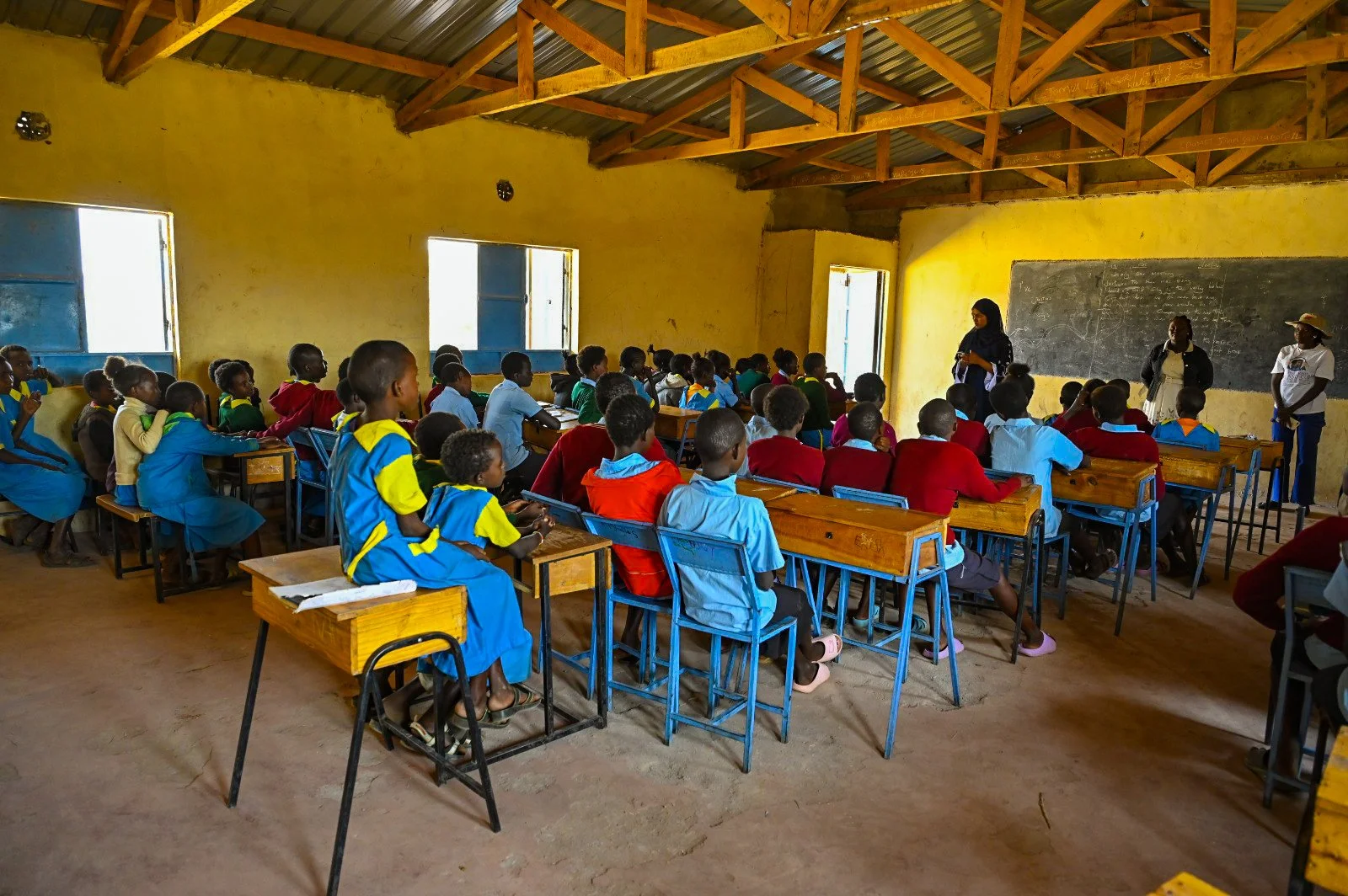
By supporting the Female Teacher Mentorship Programme, NRT, through the support of CI and other partners like the Lucille Foundation are helping to nurture the next generation of women leaders who will contribute to conservation, community development and more resilient communities in northern Kenya.
Story and images by Sarah Leaduma, the Northern Rangelands Trust (NRT).