
Transforming Lives Through Water: The Ripple Effect of DANIDA-Funded Water Projects Across Northern Kenya
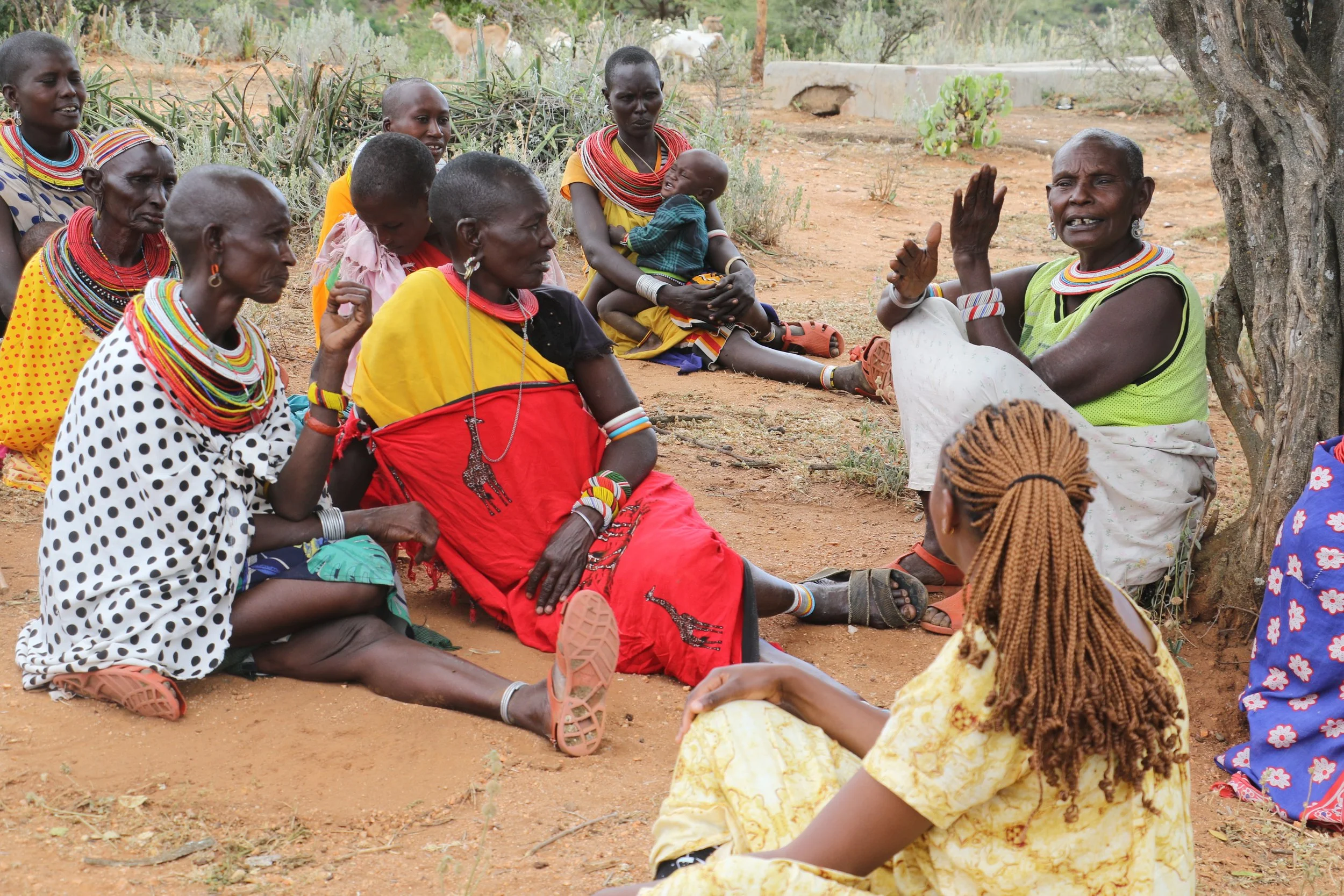
As the sun rises over Westgate Community Conservancy, Jacinta Lolmodet begins her day differently.
Not long ago, her mornings started with a journey that could take almost half a day. Like many women across northern Kenya, she would walk long distances in search of water for her family and livestock. Today, instead of spending hours on the road, she tends a vegetable garden near her home, growing food for her family and earning additional income.
That simple change tells a much bigger story.
Across the drylands of northern Kenya, access to water has long shaped every aspect of life—from education and health to livelihoods, livestock survival and community well-being. In Ltungai, Meibae, Kalepo, Melako, Westgate, Naibunga Central and Lower, Mayanat, Nasuulu, Kina and Ishaqbini Community Conservancies, daily life was once defined by uncertainty and the relentless search for water.
For many families, finding water meant travelling distances of up to 35 kilometres during prolonged dry seasons. Women and girls bore the greatest burden, often spending between four and six hours every day collecting water. Children frequently missed school to assist their families, while households spent between KES 2,500 and KES 5,000 every month transporting water from distant sources.
The impact extended beyond people. Livestock weakened during drought periods, household incomes declined, and communities faced increasing pressure as climate change intensified water scarcity across the landscape.
Today, that reality is changing.
Through a partnership between the Northern Rangelands Trust (NRT) and the Embassy of Denmark through DANIDA, communities across these eleven conservancies have gained access to reliable water infrastructure designed to improve lives while strengthening resilience to climate change.
To understand the impact of these investments, NRT's Monitoring and Evaluation team spent two weeks visiting communities across the project area. Through Focus Group Discussions with women and men from 394 households, the team listened to stories of change, challenges and opportunity.
What emerged was a powerful picture of transformation.
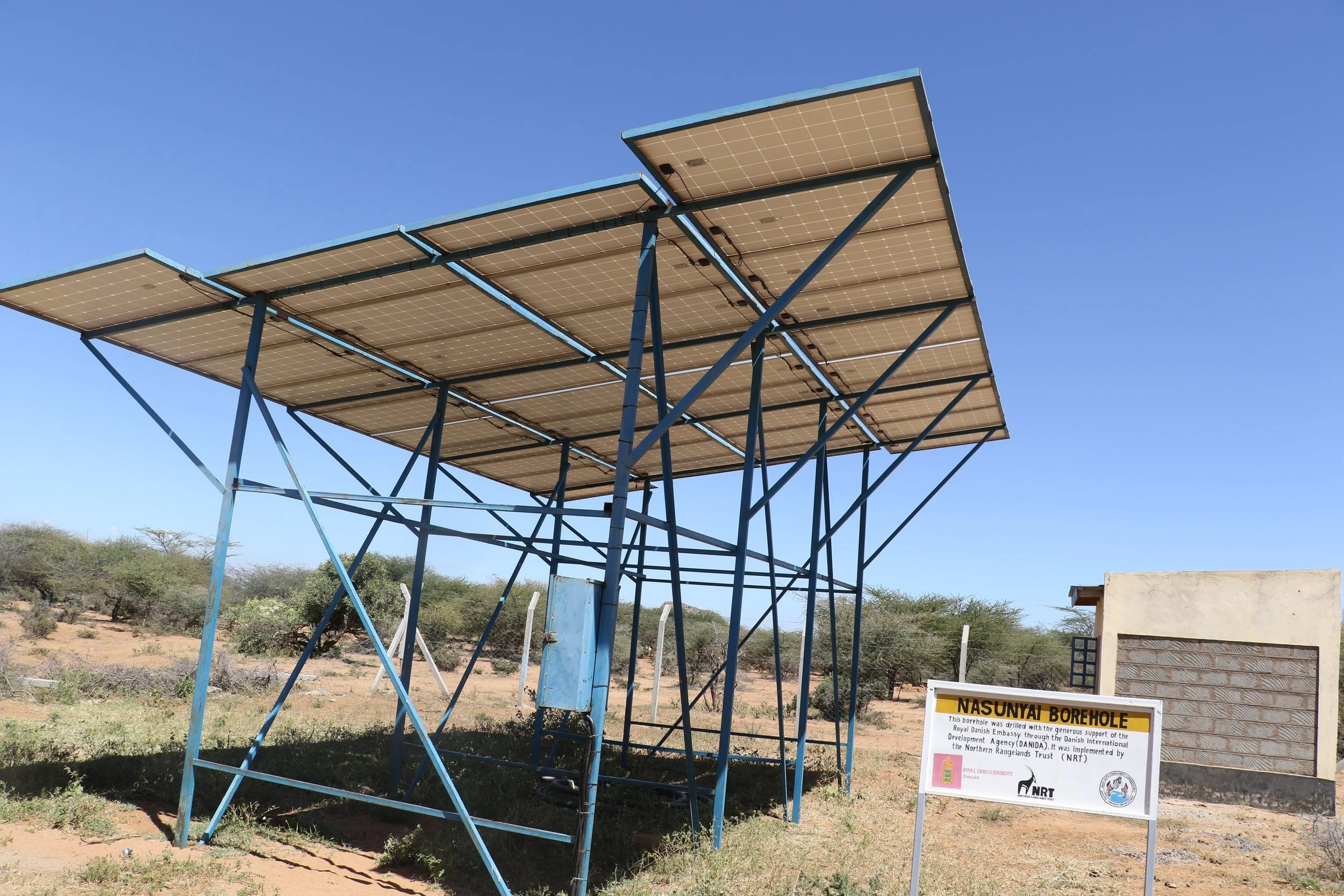
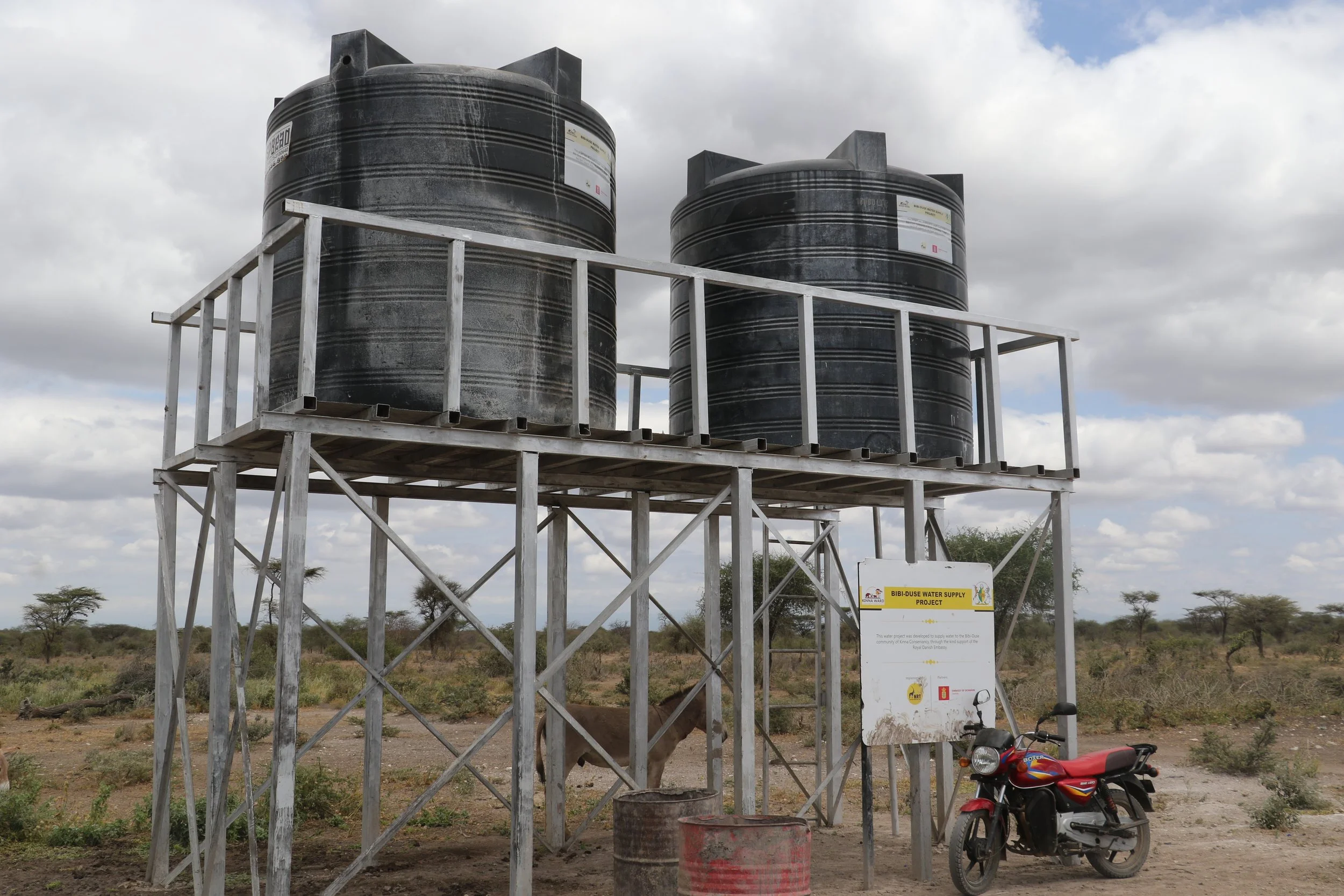
Across the landscape, eight solarized boreholes now provide reliable water where dry earth once offered little hope. Five of these boreholes were directly financed through DANIDA support. The project has also established 81 storage tanks and approximately 67.5 kilometres of pipeline, bringing water closer to homes and livestock. Supporting this network are 20 community water kiosks, four rehabilitated water pans and two rehabilitated boreholes that continue to serve communities throughout the year.
Together, these investments now provide reliable access to water for approximately 4,900 households, benefiting more than 25,328 people and supporting over 180,000 livestock units.
For many families, the most valuable outcome is not infrastructure—it is time.
Households reported saving between three and five hours every day that would previously have been spent searching for water. Time once lost to long journeys is now being invested in farming, education, caring for livestock, small businesses and family life.
For Jacinta and many others, this has opened new opportunities. Across the conservancies, improved access to water is already supporting household food production. While still an emerging outcome, at least five verifiable kitchen gardens have been established, generating between KES 2,000 and KES 4,000 in additional monthly income while improving household nutrition.
The benefits extend well beyond the household.
In Nasuulu Community Conservancy, Antony Leparashau reflected on another significant change.
For years, people and wildlife often competed for the same scarce water sources, especially during dry seasons. Encounters with elephants and other wildlife were common and sometimes dangerous.
Today, those interactions have reduced significantly.
“Since the water project was established, we no longer compete with wild animals such as elephants for access to water. We now have a reliable water source.”
Community members across the project area estimate that water-related human-wildlife conflict incidents have reduced by about 70 percent since the projects became operational. Safer access to water has improved daily life while supporting more peaceful coexistence between communities and wildlife.
Inside homes, another transformation is quietly taking place.
Women consistently reported that the workload associated with collecting water has reduced by more than 60 percent. The physical strain of carrying water over long distances has eased considerably, and in many households men are increasingly sharing responsibilities that were once carried almost entirely by women and girls.
The benefits for girls have been particularly significant. Communities reported a noticeable increase in school attendance as girls spend less time collecting water and more time in classrooms. Improved access to clean water has also enhanced hygiene, dignity and overall well-being for women and girls.
Livestock—the backbone of livelihoods across northern Kenya—have also benefited enormously.
Community members reported that livestock losses associated with water scarcity have reduced by more than 40 percent. Better access to water has improved livestock health and contributed to increased milk production, strengthening both household nutrition and income stability.
For communities such as Meibae, the intervention represents the fulfilment of a need that had remained unanswered for years.
“We repeatedly appealed to the county government to drill water for us, but our concerns were not addressed. We are grateful to NRT for stepping in and supporting us, as the community truly needed this intervention.”
As the Monitoring and Evaluation team travelled from one conservancy to another, a broader story began to emerge.
These investments are doing far more than delivering water.
They are restoring time to families. They are helping girls remain in school. They are improving nutrition through kitchen gardens and increased milk production. They are reducing pressure on women, supporting healthier livestock, lowering the risk of conflict between people and wildlife and strengthening communities' ability to withstand increasingly frequent droughts.
Perhaps most importantly, they are giving communities greater confidence in the future.
Sustaining these gains will depend on continued community ownership, strong governance structures and ongoing maintenance of the infrastructure. As climate pressures continue to grow across northern Kenya, water will remain central to resilience, livelihoods and conservation.
But for now, across eleven conservancies, the impact is already visible.
It can be seen in the taps flowing closer to home. In the girls spending more time in school. In healthier livestock returning from the grazing fields. In vegetable gardens growing where little once grew.
And in the thousands of families who no longer spend their days searching for water, but instead have the opportunity to build a better future because of it.