
Connecting Landscapes, Empowering Communities, Fostering Coexistence: A Defining Week for EU-Funded Cross-Border Conservation Initiative
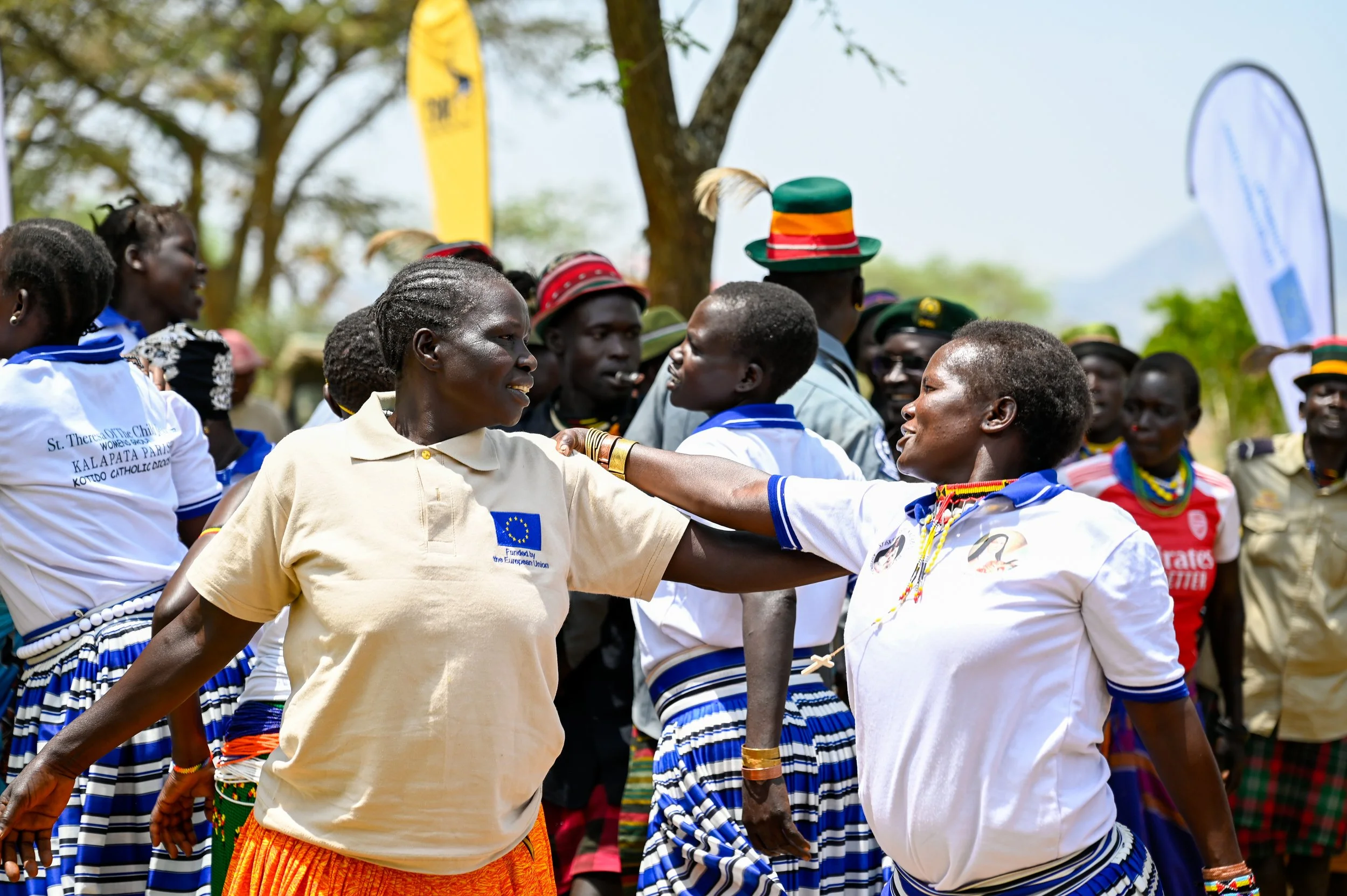
Under the European Union-funded project, “Supporting New and Existing Community Conservancies, Adjacent Parks and Forests in the Kidepo–Turkana Landscape of Uganda and Kenya,” partners convened in Uganda for three days of engagement, coordination and milestone achievements.
To kick off the week, we held a Steering Committee meeting bringing together representatives of all consortium partners—namely, the Northern Rangelands Trust (NRT), the Uganda Conservation Foundation, the Uganda Wildlife Authority (UWA), the National Forestry Authority (NFA), and the Wildlife Research and Training Institute (WRTI). Discussions focused on reviewing progress so far and identifying priority areas to strengthen collaboration and long-term impact.
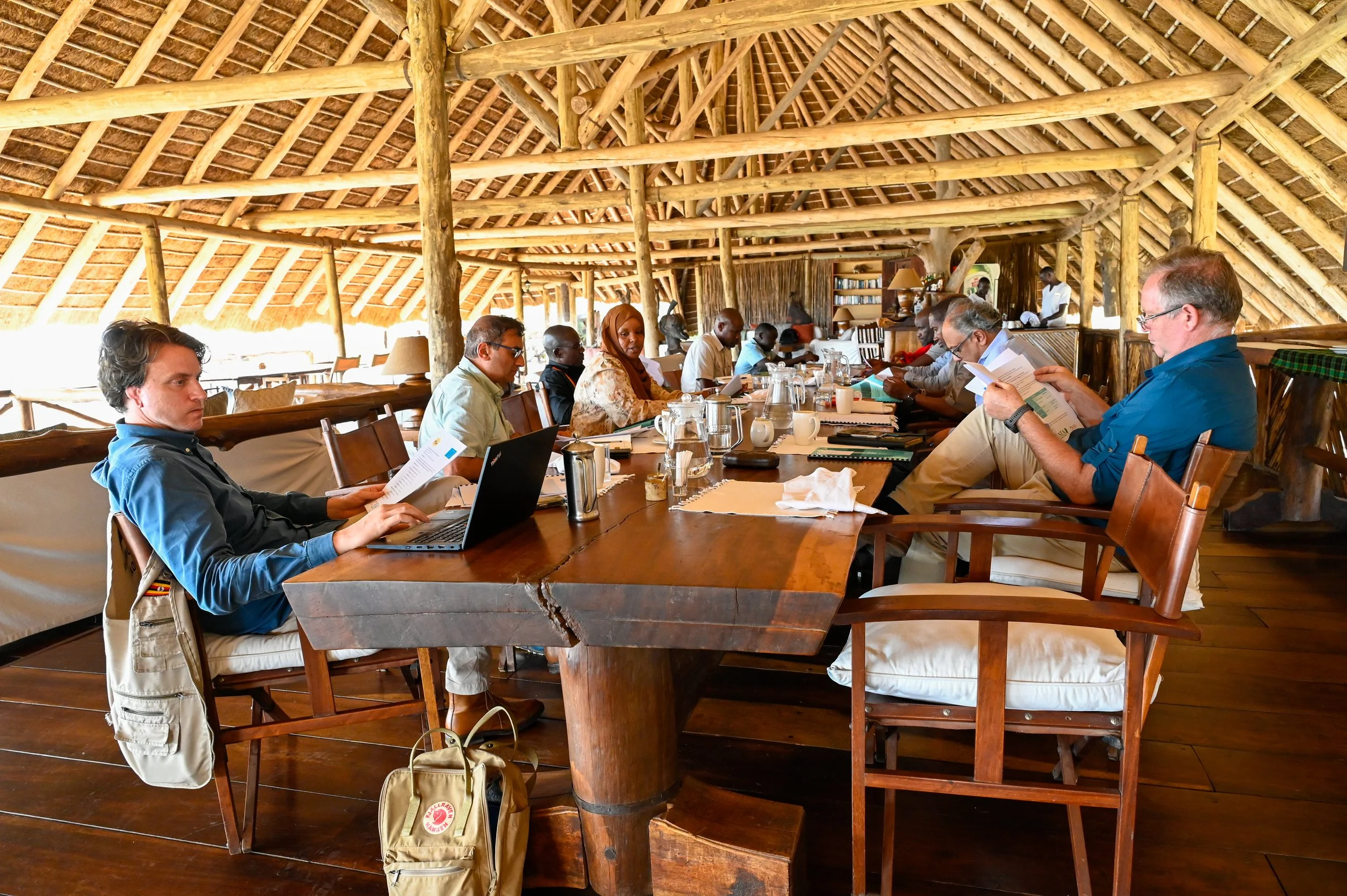
Steering Committee Meeting convened by representatives of the Project’s consortium partners.
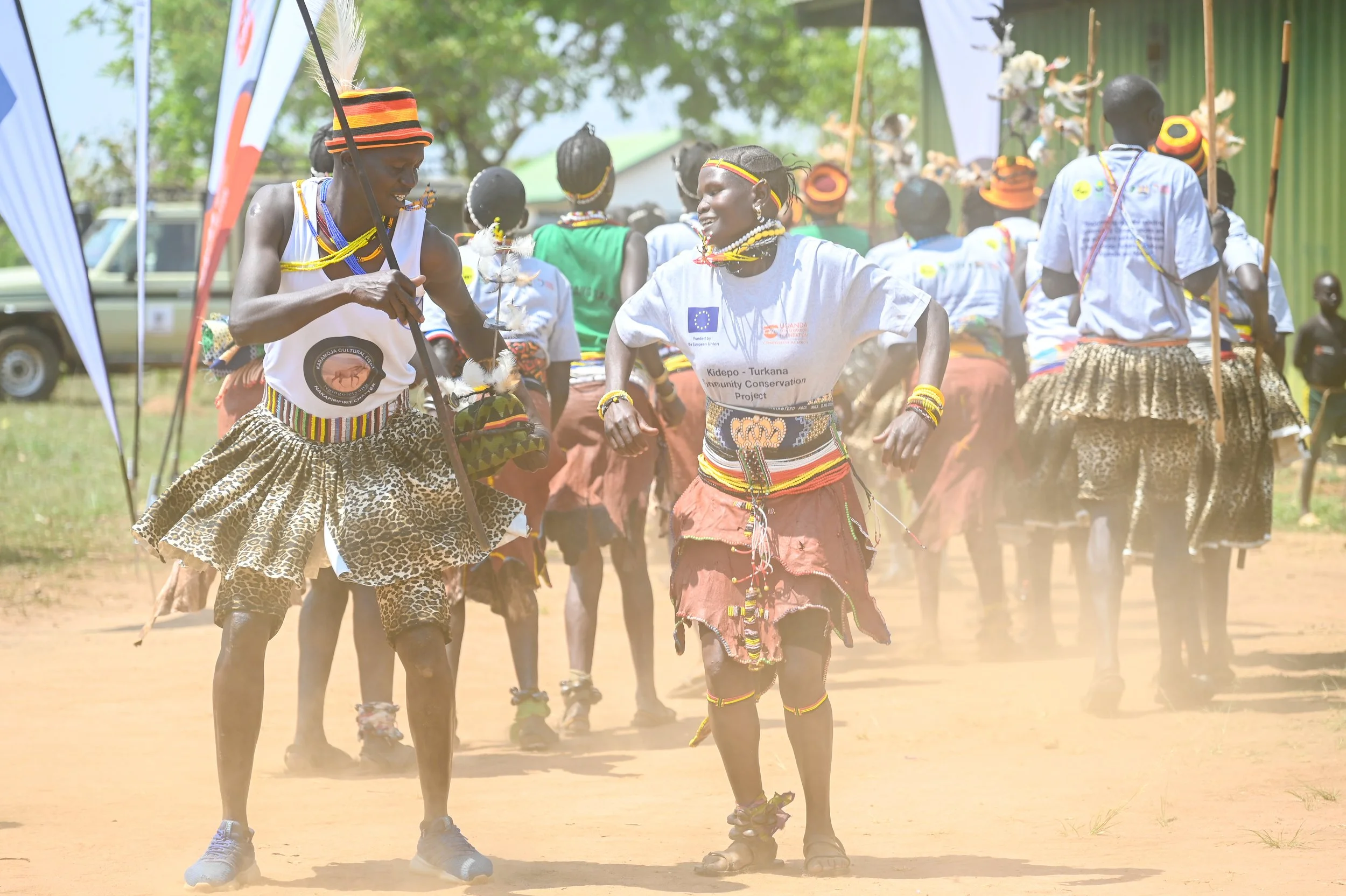
The major highlight of the week was the official launch of the project, marked by a colourful ceremony attended by consortium partners, local administrative leaders, and communities from Morungole, Naperotom, Masol and Pellow Community Conservancies. Officials and community representatives from Turkana County were also present, underscoring the project’s cross-border significance. During the event, six motorcycles were handed over to strengthen patrols, logistics and monitoring.
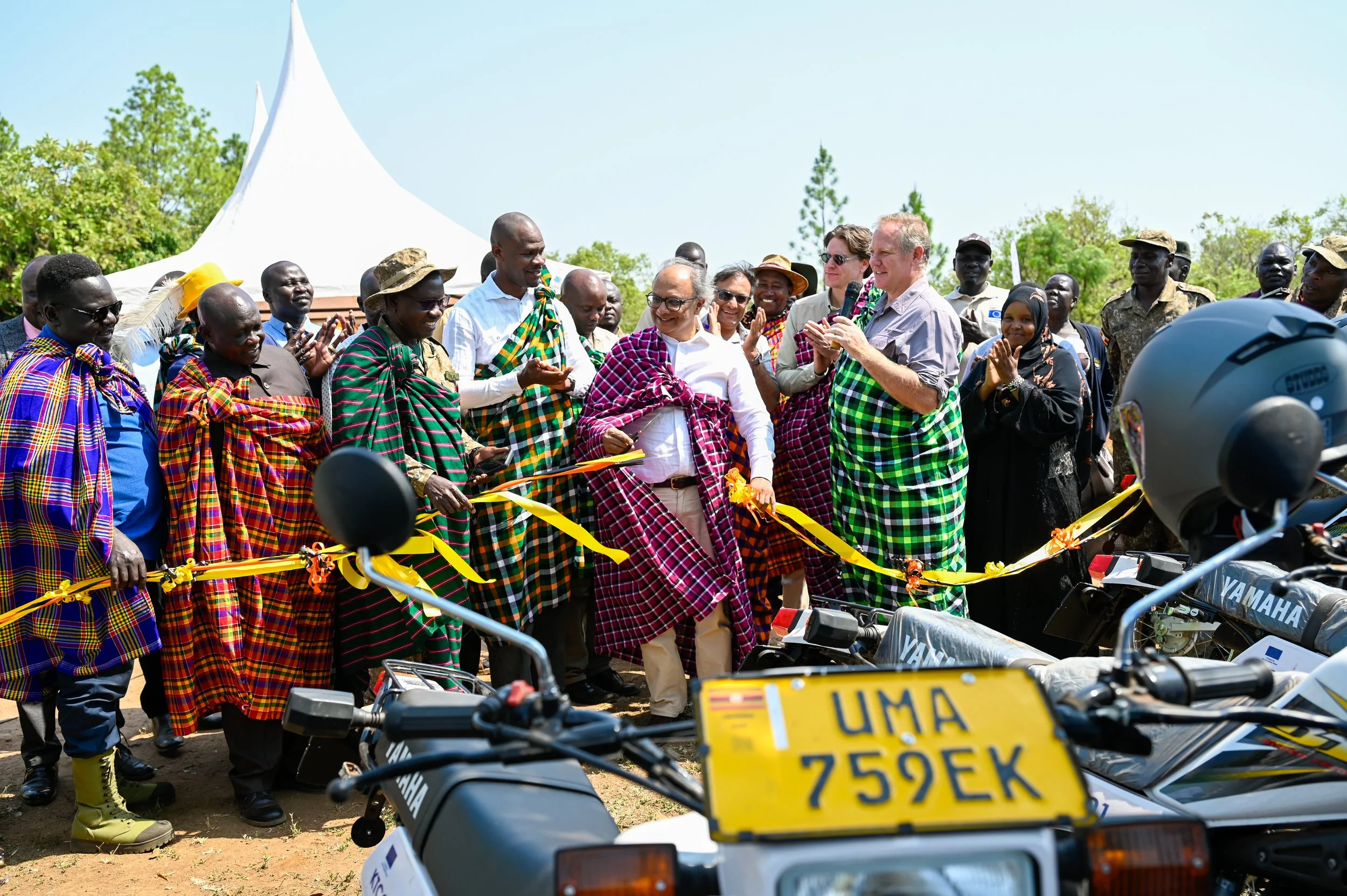
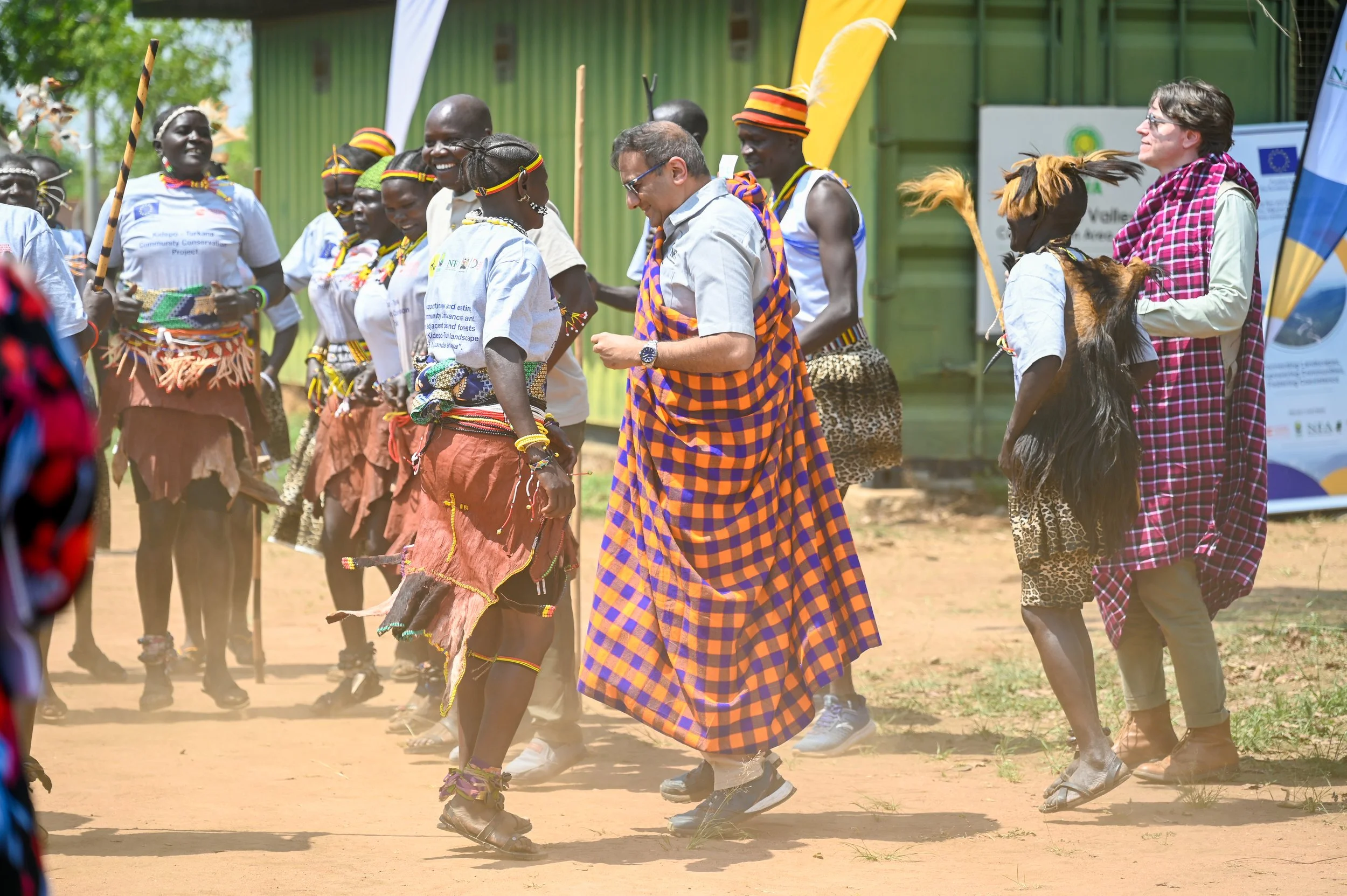
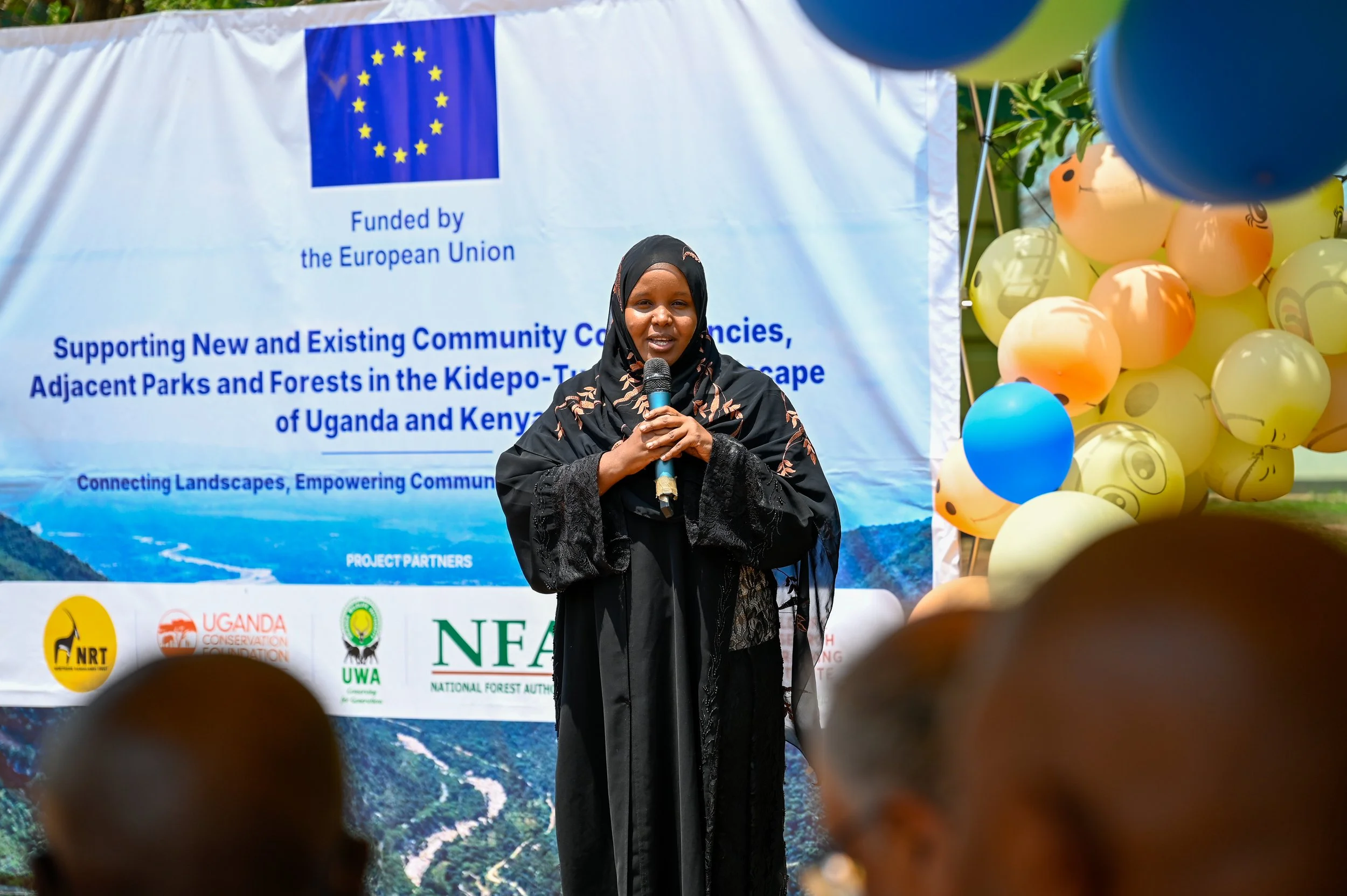
Khadija Hussein, NRT Project Lead for NaturAfrica Initiative speaks during the launch of the Project
The project also underscores the importance of forest protection and community stewardship. Stuart Maniraguha, Acting Executive Director of the National Forestry Authority (NFA), encouraged closer collaboration between communities and government institutions. “We encourage communities to work closely with government and the National Forestry Authority in protecting and managing our forests. Conservation of forests benefits everyone, and communities are not just neighbours to these resources — they are the true guardians and stewards of the forest.”
Additionally, we commissioned and handed over the Kidepo Rhino Sanctuary fence at Kidepo Valley National Park to the Uganda Wildlife Authority. The construction of the fence was made possible through the generous support of the Great Plains Foundation, the Rhino Recovery Fund through the Wildlife Conservation Network (WCN), the Gatinais Foundation, WildLandscapes International, and the European Union. The sanctuary will play a vital role in the planned reintroduction of rhinos into the park — for the first time in nearly four decades.
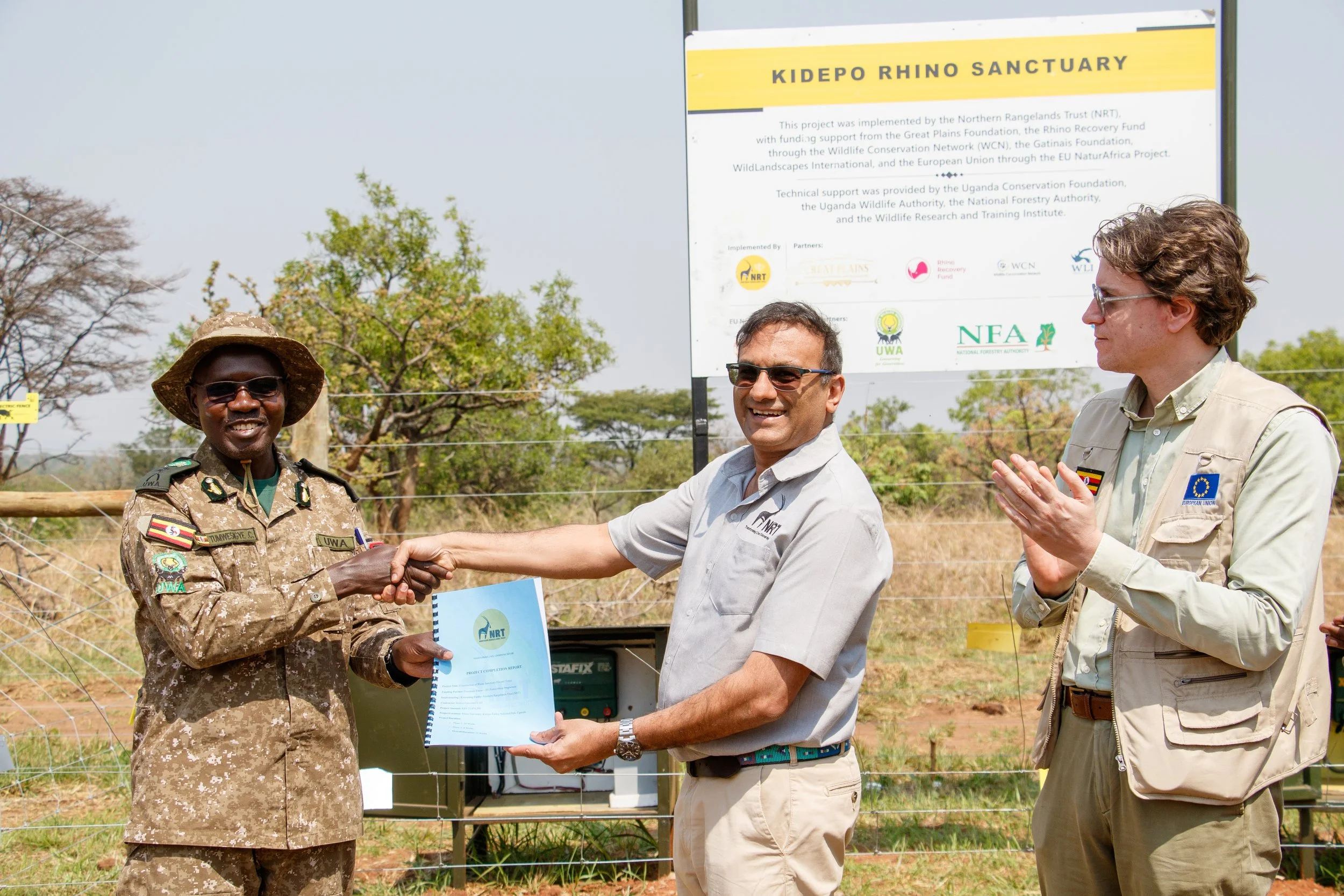
From left: Commissioner for Field Operations at the Uganda Wildlife Authority (UWA), Charles Tumwesigye, receives a copy of the Project Completion Report from the Northern Ranglands Trust (NRT) CEO, Vishal Shah, during the handover of the Kidepo Rhino Sanctuary fence. Looking on is Jonatan Landström, EU Project Lead for NaturAfrica.
Speaking during the handing over ceremony, Charles Tumwesigye, Commissioner for Field Operations at the Uganda Wildlife Authority (UWA), expressed appreciation for the partnership that has brought the project to life. “Through the strong collaboration of our consortium partners, including the European Union, we are connecting landscapes, empowering communities, and promoting coexistence between wildlife and people — all of which are critical for rhino protection and effective conservation and protected area management in the greater Kidepo landscape.”
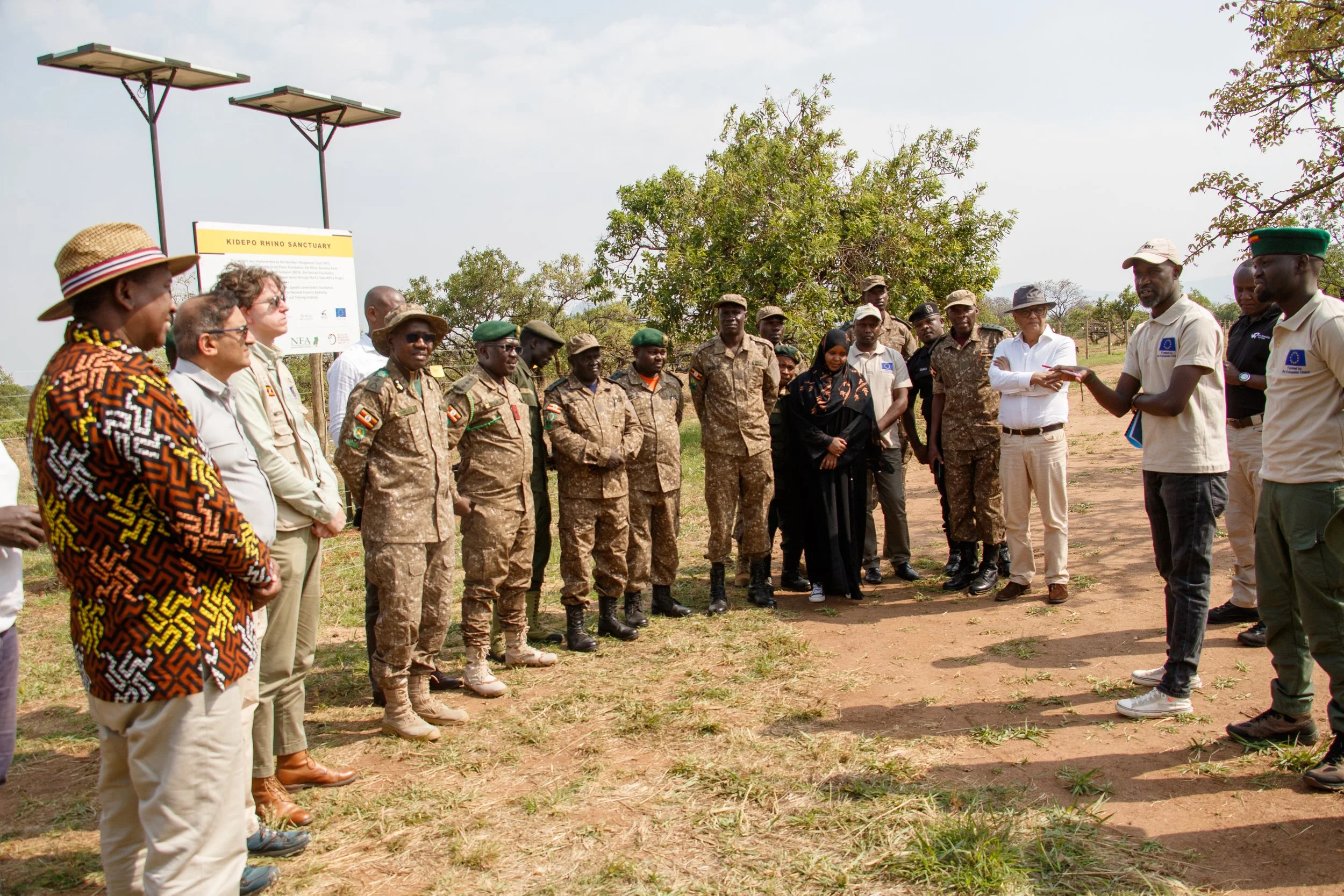
David Kioko, NRT Partnerships Development Officer, speaks to representatives of the Project’s partners at the Kidepo Rhino Sanctuary.
We also visited the Joint Operations Command Centre in Geremech, a facility built and equipped by the Uganda Conservation Foundation and jointly operated with the Uganda Wildlife Authority. With additional support from Global Conservation, the March Conservation Fund and NRT, the Centre leverages technology and coordinated systems to enhance wildlife protection, anti-poaching efforts and regional security within the park.
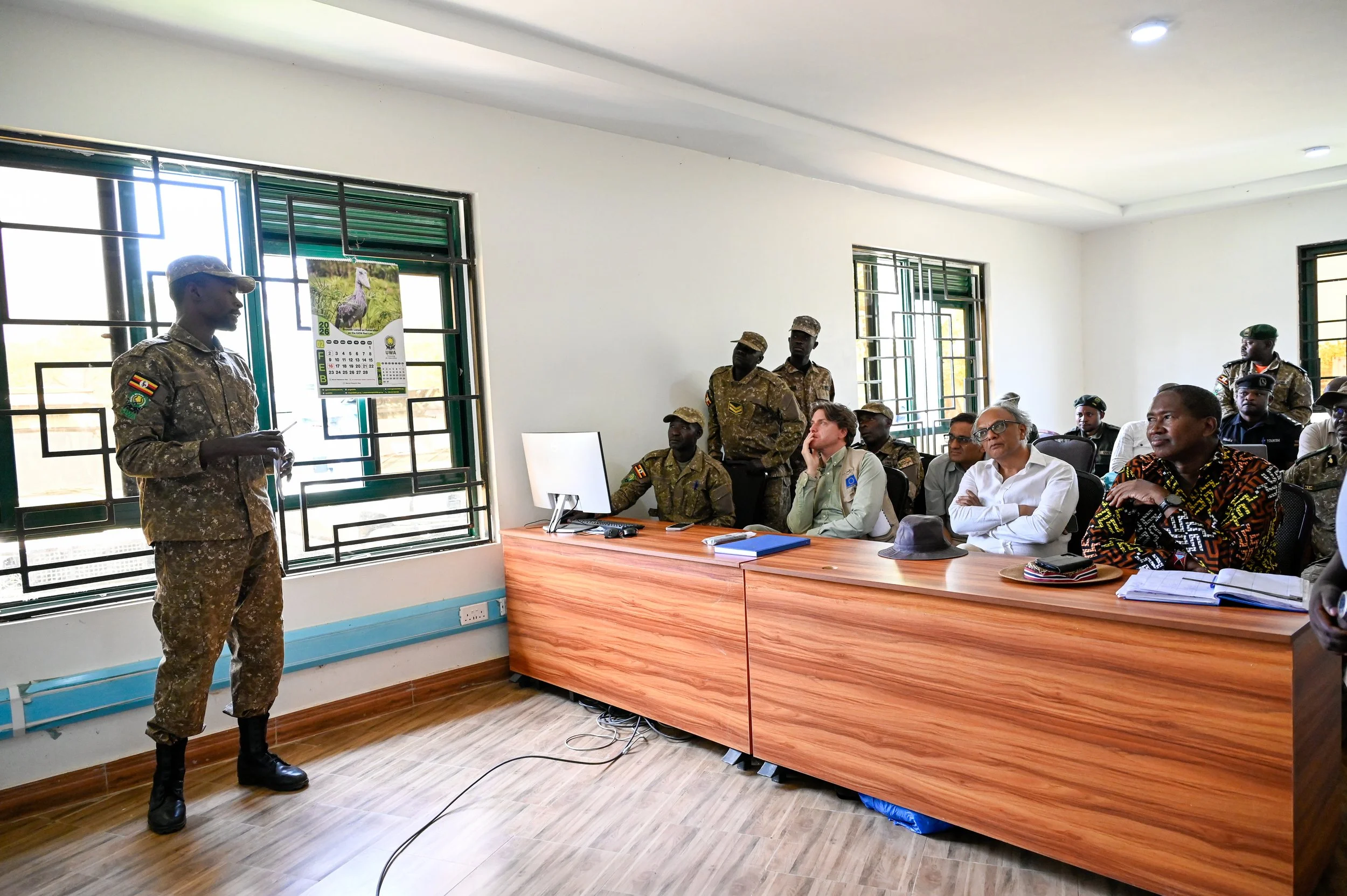
The Project’s consortium partners listen in to a presentation during their visit to the Joint Operations Command Centre at Geremech, Kidepo Valley National Park.
Technology and coordinated operations will play a critical role in safeguarding wildlife across the landscape. Michael Keigwin, CEO of the Uganda Conservation Foundation (UCF), highlights the importance of innovation in modern conservation efforts. “Technology is becoming central to conservation. The Joint Operations Command Centre is a vital tool for monitoring wildlife, coordinating responses, and strengthening protection efforts across the landscape.”
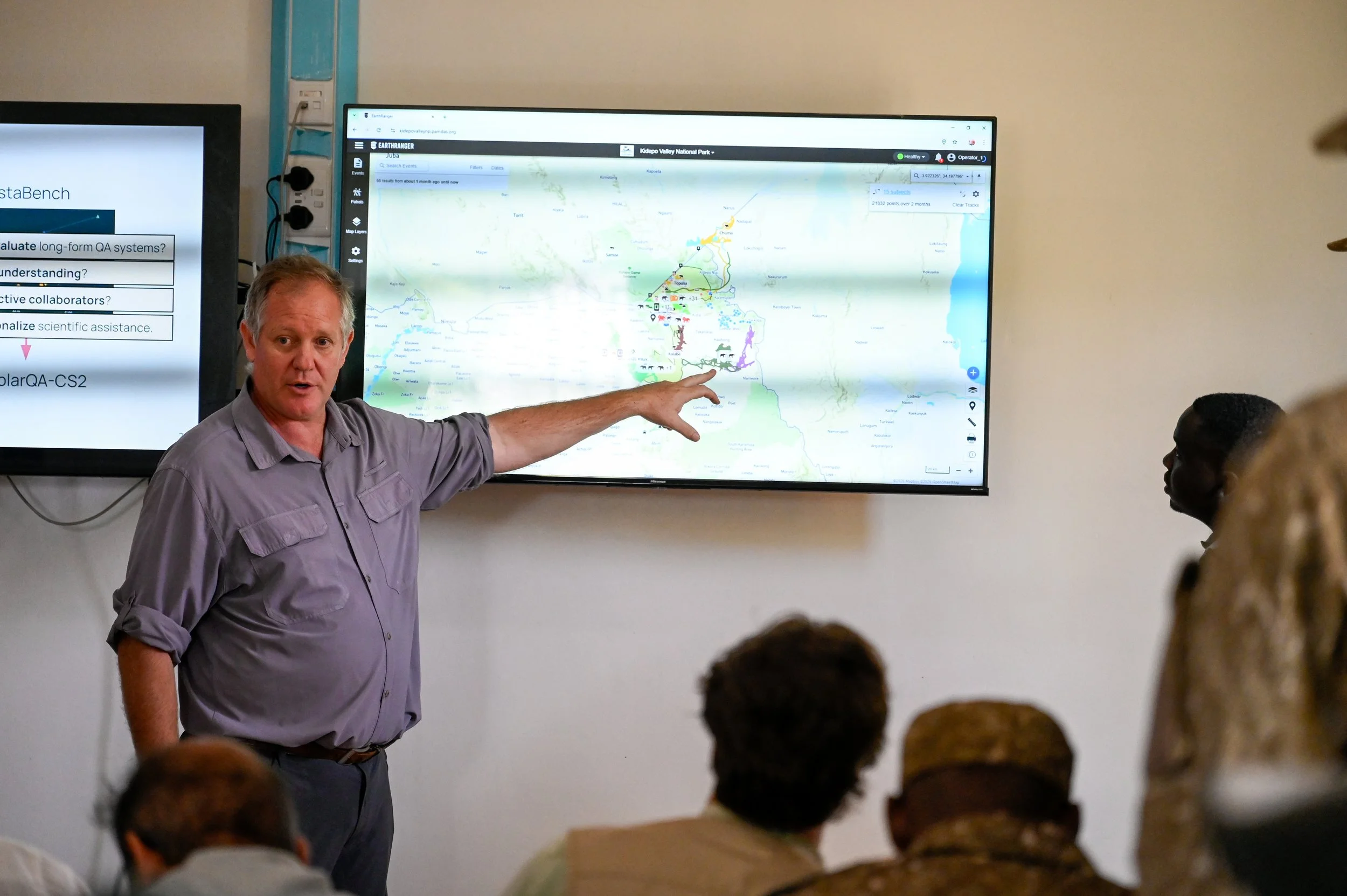
Uganda Conservation Foundation CEO Micahel Keigwin explains how the EarthRanger software is used at the Joint Operations Command Centre at Geremech.
As Lead Consortium partner, NRT reaffirmed its commitment to long-term impact. Vishal Shah, CEO of the Northern Rangelands Trust, notes: “This project demonstrates what is possible when partners come together around a shared vision. We appreciate the commitment shown by all stakeholders, and our collective responsibility now is to deliver lasting benefits to communities while safeguarding wildlife and ecosystems.”
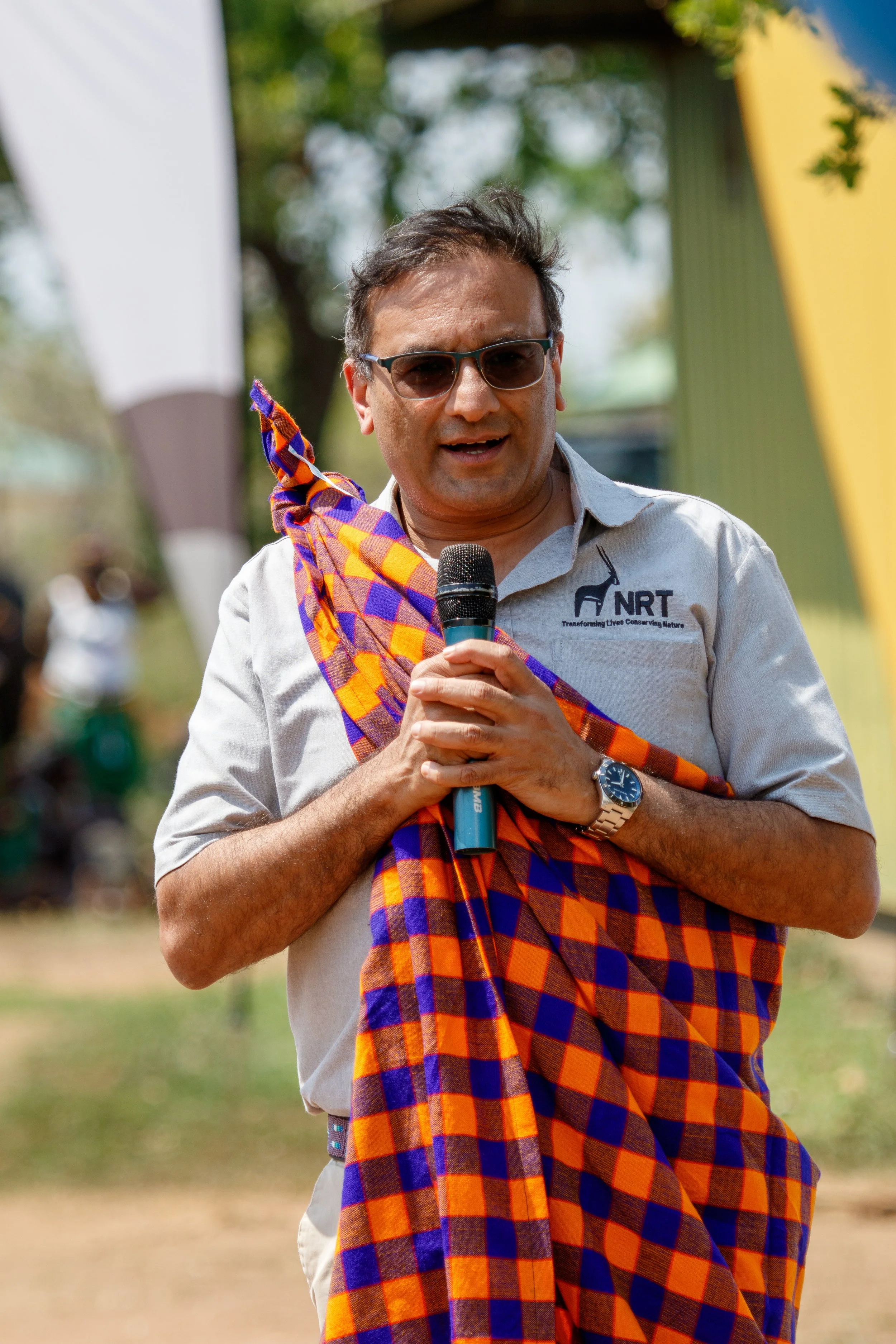
NRT CEO, Vishal Shah speaks during the launch of the Project.
On the final day, we toured additional project-supported facilities within the park, including a dam that serves as a critical water point for wildlife. We also assessed progress on a ranger outpost under construction in Opotipot. The week concluded with an interactive session in Kalapata with members of Morungole and Naperotom Community Conservancies, where we exchanged insights on governance, community leadership and how the project is strengthening ecological connectivity and sustainable livelihoods across the landscape.
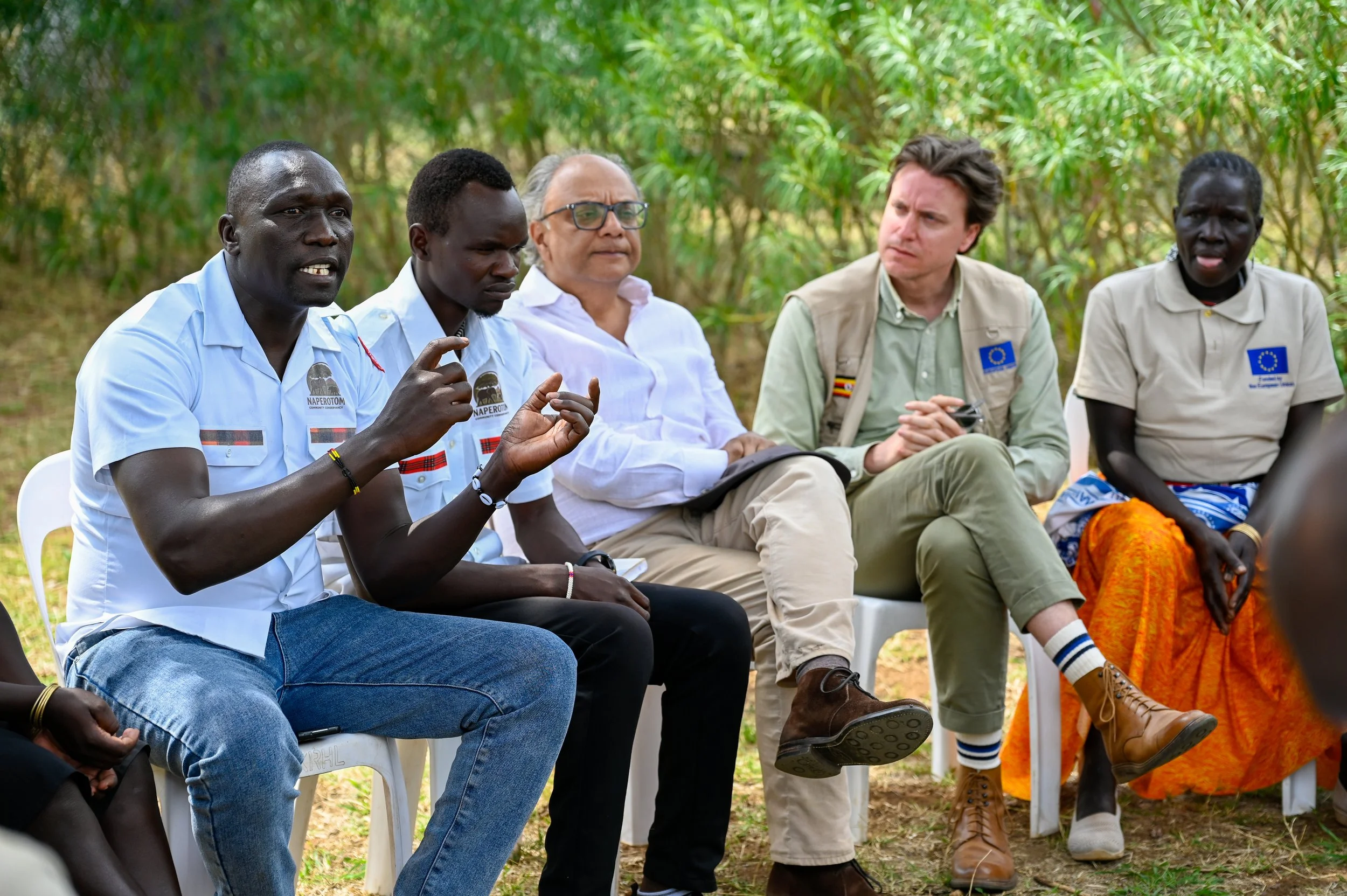
Representatives of the Project’s consortium partners hold an engaging discussion with community members from Morungole and Naperotom Community Conservancies, NRT member conservancies in Uganda.
Reflecting on the week’s engagements, Jonatan Landström, EU Project Lead for NaturAfrica, underscored the importance of community leadership in delivering lasting conservation outcomes. “What impressed me most was the energy and ownership demonstrated by the communities we met. When communities lead conservation, the benefits remain local — strengthening livelihoods, stability and long-term prosperity.”
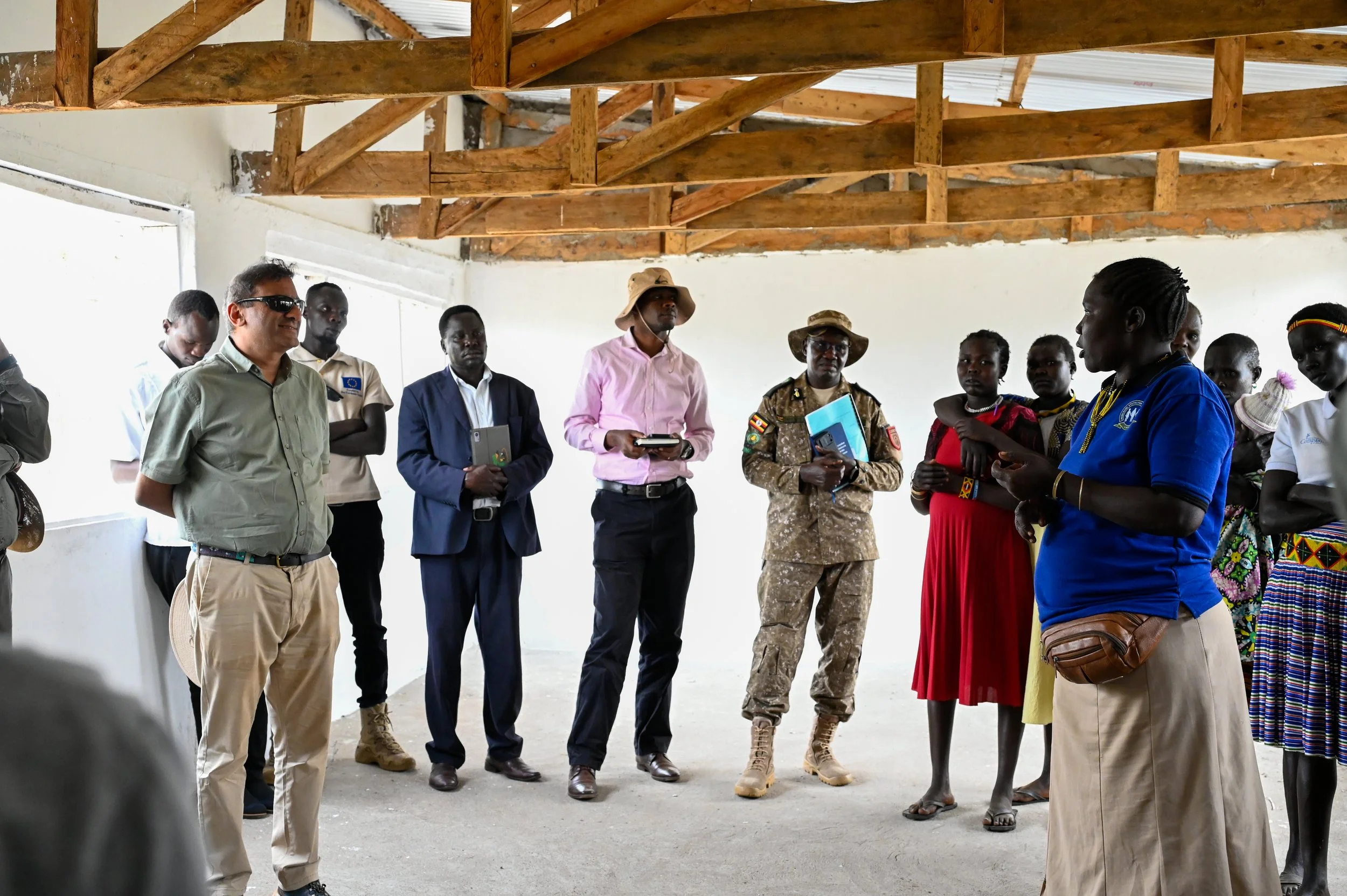
Representatives of the Project’s consortium partners interact with a community member of Morungole Conservancy during their visit to a community poultry unit.
The engagements highlight the power of collaboration in advancing rhino protection, enhancing conservation systems and empowering communities across the greater Kidepo landscape. With strong partnerships and shared responsibility, the foundation for long-term impact is firmly in place.
Story and images by Daniel Njihia, the Northern Rangelands Trust (NRT)