
PLANTING THE SEEDS OF RESILIENCE IN JALDESA AND SONGA COMMUNITY CONSERVANCIES, MARSABIT COUNTY.
In recent months, unpredictable rainfall and changing weather patterns in most parts of Kenya are making farming increasingly challenging. For farmers in Jaldesa and Songa Community Conservancies in Marsabit County, northern Kenya, adapting to these changes is becoming vital to maintain agricultural production and protecting the land their livelihoods depend on. Farmers face growing uncertainty about what each season will bring.
A total of 94 farmers, including 46 women and 48 youth from the two conservancies, took part in climate-smart agriculture training led by our Climate-Smart Agriculture Officer. The training focused on Conservation Agriculture and Good Agronomic Practices, equipping participants with practical approaches to farming under changing climate conditions.
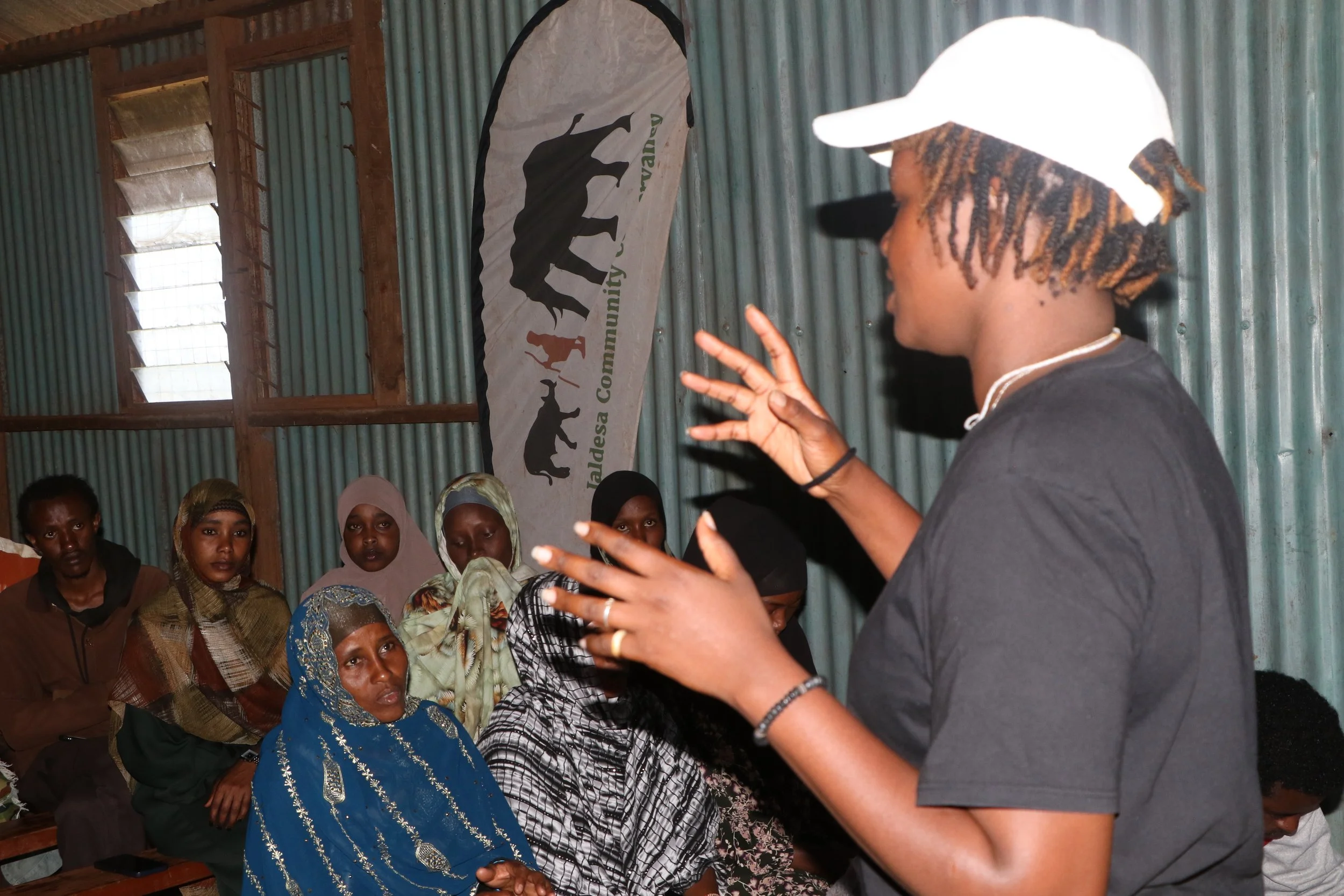
Climate-Smart Agriculture officer facilitating the session at Jaldesa Community Conservancy.
The training introduced farmers to three core principles of Conservation Agriculture: minimising soil disturbance, keeping the soil covered and rotating crops to maintain healthy and productive soils. Farmers also learned how to manage pests and diseases, improve soil fertility, space their crops properly, raise vegetable nurseries and apply manure appropriately. Each practice contributes to protecting the soil, retaining moisture and making use of the resources already at hand.
“I have learned that leaving the soil bare exposes it to erosion. By using crop residue as mulch and adopting appropriate land preparation methods, we can protect our soil and conserve moisture for our crops,” says Amira Khale, a farmer in Songa Community Conservancy.
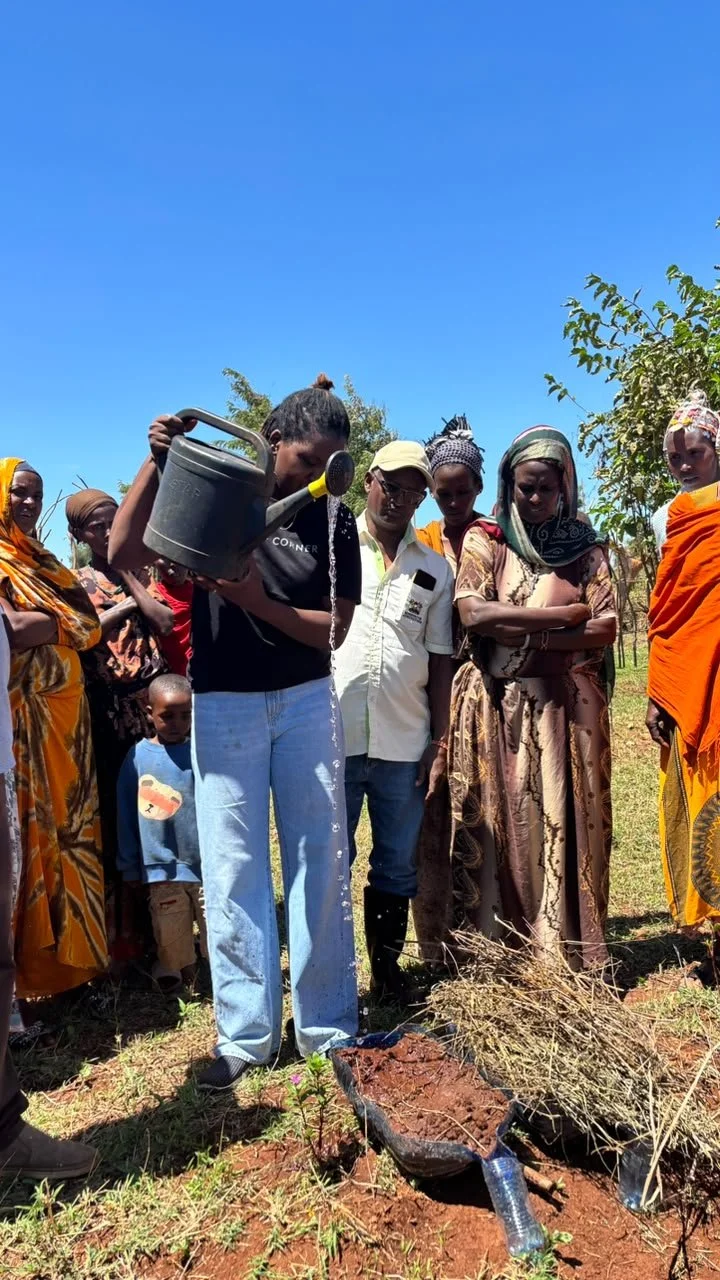
Climate-Smart Agriculture demonstrating the difference between covered and uncovered soil during rainy season.
But learning does not end when the sessions do. A demonstration farm near the training site has been prepared for planting a mix of vegetables and drought-tolerant crops. Kale, spinach, onions and tomatoes will give farmers an opportunity to learn about raising vegetable nurseries and proper crop spacing, while pigeon peas, cowpeas, maize, cassava and beans will introduce them to a range of crops better suited for unpredictable climatic conditions.
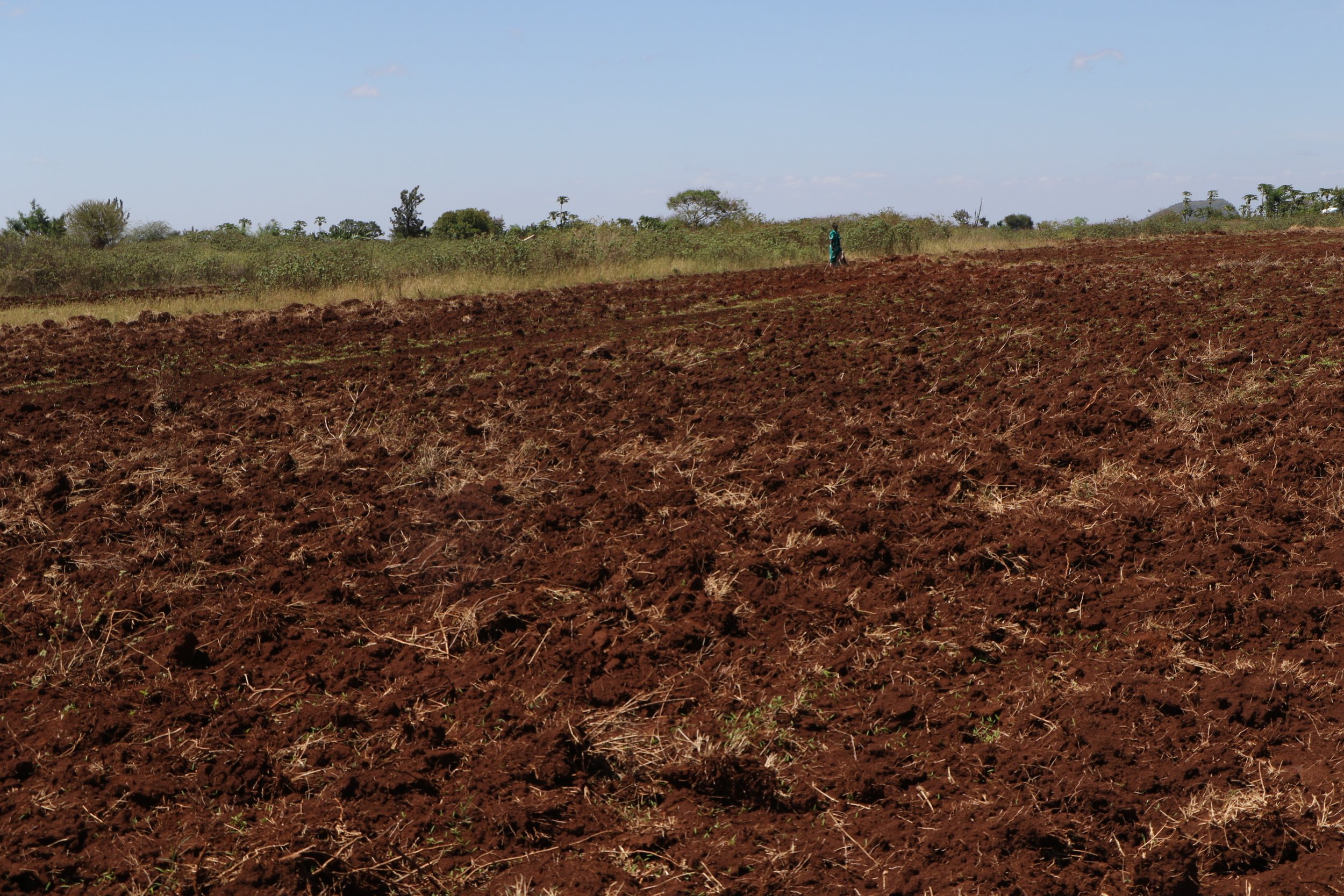
The demonstration farm.
Once the planting begins, farmers will have an opportunity to observe how the practices they learned during the training can be applied in the field and how crops respond as they grow. The lessons they gain here can help them make informed decisions about applying similar approaches on their own farms.
Through follow-up visits and mentorship, farmers will continue receiving guidance as they begin to apply the practices on their farms. They will also have opportunities to share their experiences and lessons with neighbours and other community members, extending the knowledge beyond those who attended the training.
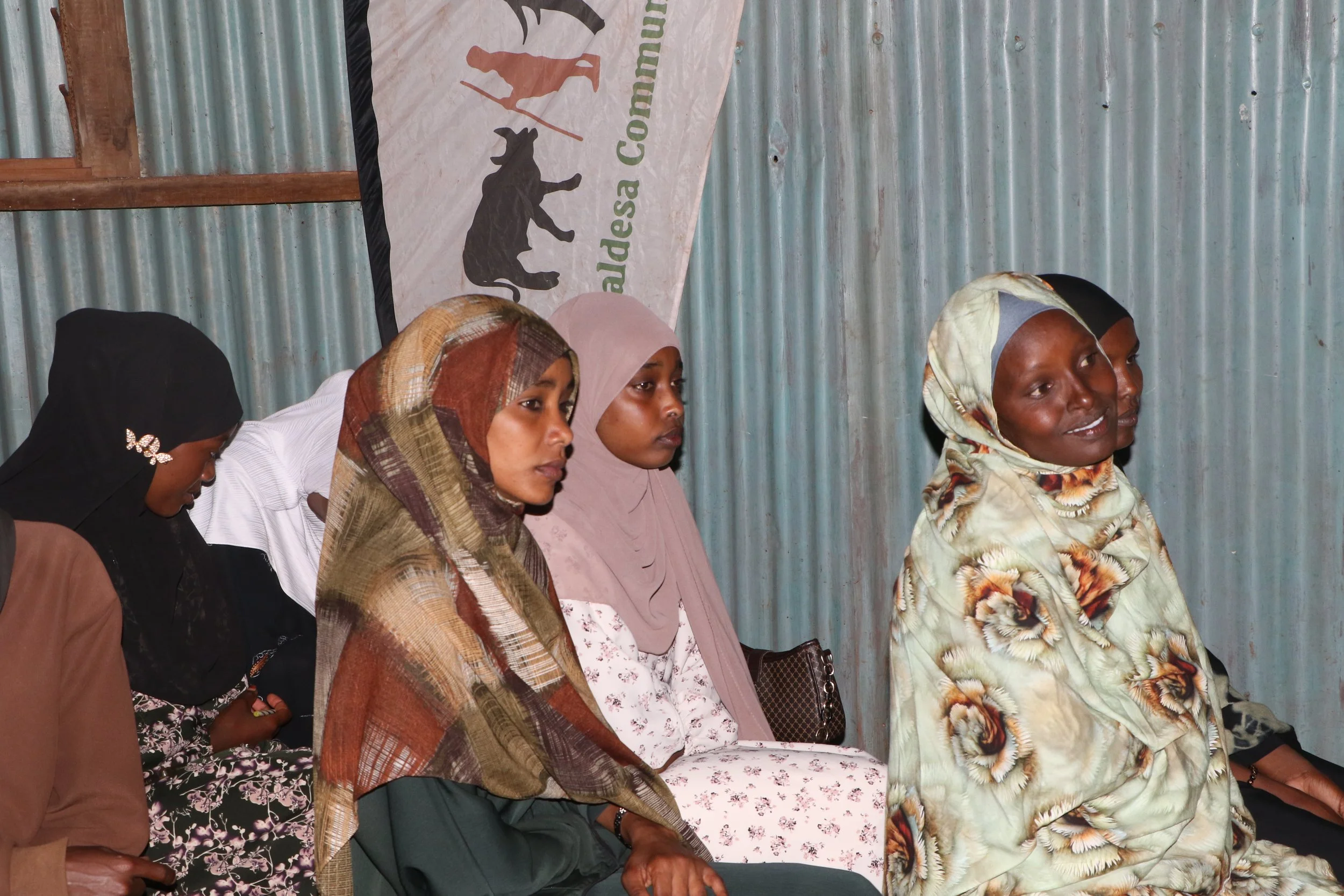
Farmers from Jaldesa during one of the sessions.
This is only the beginning. More farmers in Jaldesa and Songa are expected to take part in future training sessions, spreading climate-smart agriculture techniques across both conservancies. Over time, these efforts aim to support healthier soils, more resilient farming systems and communities better equipped to manage the challenges of an ever-unpredictable climate.
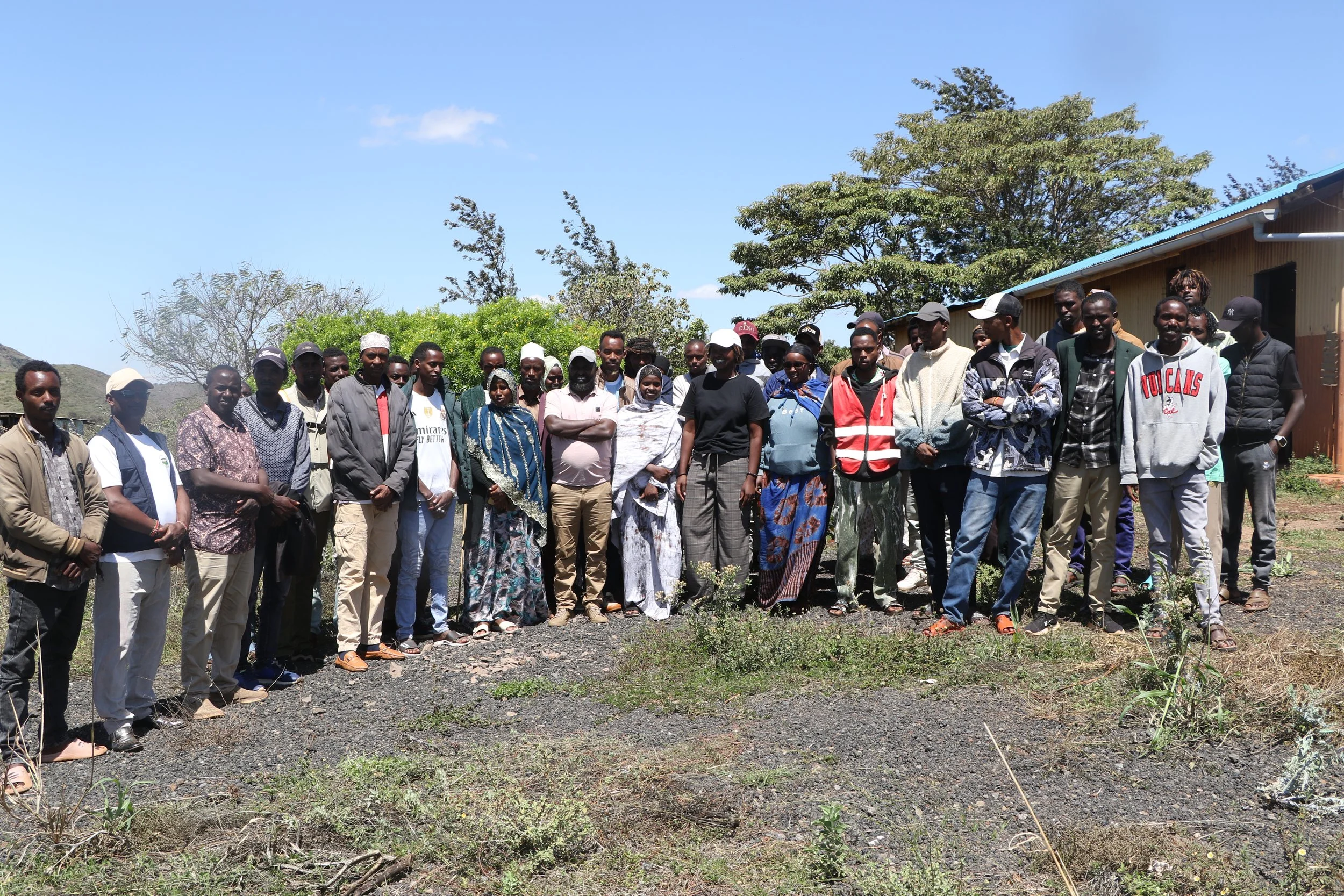
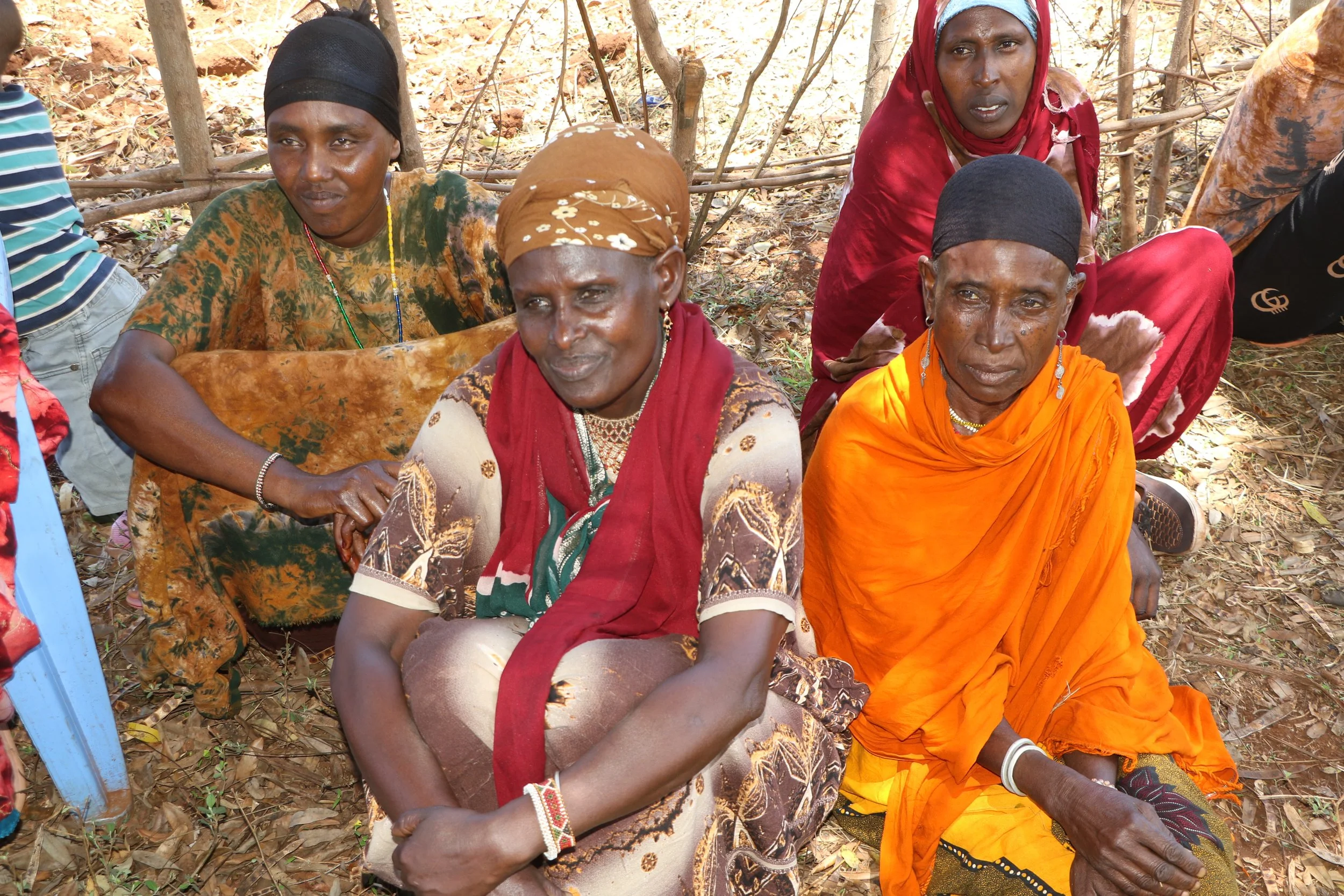
Farmers from Jaldesa Community conservancy.